Best Herbs for Silty Loam Soil
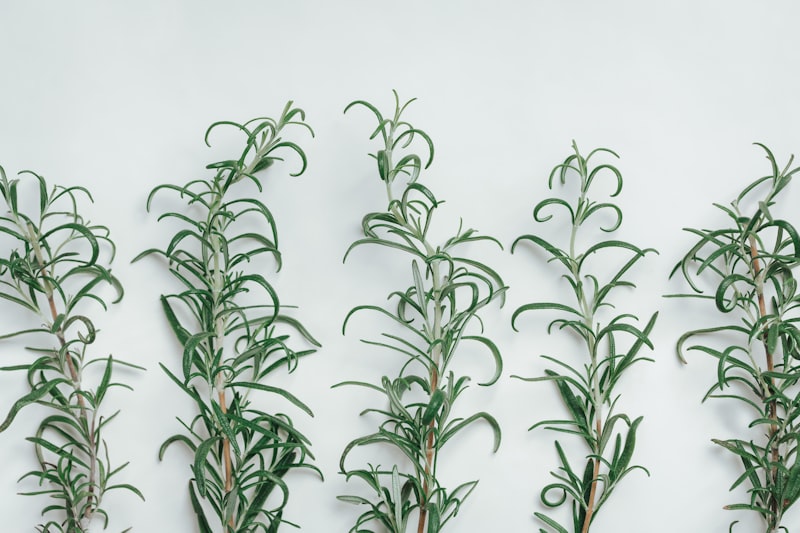
These herbs are well-suited to Silty Loam soil conditions. Each plant listed below tolerates or thrives in the drainage, pH, and texture characteristics typical of silty loam soil.
Basil
Ocimum basilicum
- Sun
- Full sun (6-8 hours)
- Water
- Regular, 1 inch/week; keep consistently moist
- Spacing
- 12-18 inches
- Days to Harvest
- Array
- pH Range
- 6.0 - 7.0
- Zones
- 10-11 (perennial), 2-11 (annual)
Mint
Mentha spp.
- Sun
- Partial shade to full sun (3-6 hours)
- Water
- Regular, 1-2 inches/week; moisture loving
- Spacing
- 18-24 inches (container recommended)
- Days to Harvest
- Array
- pH Range
- 6.0 - 7.0
- Zones
- 3-8
Cilantro (Coriander)
Coriandrum sativum
- Sun
- Full sun to partial shade (4-6 hours)
- Water
- Regular, 1 inch/week
- Spacing
- 6-8 inches
- Days to Harvest
- Array
- pH Range
- 6.0 - 7.0
- Zones
- 2-11
Parsley
Petroselinum crispum
- Sun
- Full sun to partial shade (4-8 hours)
- Water
- Regular, 1 inch/week
- Spacing
- 8-10 inches
- Days to Harvest
- Array
- pH Range
- 6.0 - 7.0
- Zones
- 5-9 (biennial)
Dill
Anethum graveolens
- Sun
- Full sun (6-8 hours)
- Water
- Moderate, 1 inch/week
- Spacing
- 12-15 inches
- Days to Harvest
- Array
- pH Range
- 5.5 - 6.5
- Zones
- 2-11
Chives
Allium schoenoprasum
- Sun
- Full sun to partial shade (4-8 hours)
- Water
- Regular, 1 inch/week
- Spacing
- 8-12 inches
- Days to Harvest
- Array
- pH Range
- 6.0 - 7.0
- Zones
- 3-9
Fennel
Foeniculum vulgare
- Sun
- Full sun (6-8 hours)
- Water
- Regular, 1 inch/week
- Spacing
- 12-18 inches
- Days to Harvest
- Array
- pH Range
- 5.5 - 7.0
- Zones
- 4-9
Lemongrass
Cymbopogon citratus
- Sun
- Full sun (6-8 hours)
- Water
- Regular, 1-2 inches/week; moisture loving
- Spacing
- 24-36 inches
- Days to Harvest
- Array
- pH Range
- 5.0 - 7.0
- Zones
- 9-11 (perennial), 3-8 (annual)
Herb Gardening Success in Silty Loam
Silty loam ranks among the most fertile soil types on the planet, and herb gardeners inherit both the benefits and the challenges of that fertility. Most culinary herbs actually produce their best flavor under slightly lean conditions because nutrient stress concentrates essential oils. Herbs grown in rich silty loam tend toward lush, rapid growth with milder flavor. The solution is simple: avoid fertilizing your herb beds and let the naturally high nutrient content do the work without supplementation. Basil grows enormous in silty loam, producing leaves the size of your palm. Cilantro and dill bolt more slowly here than in sandy soils thanks to consistent moisture availability. The smooth soil texture makes direct seeding effortless since seeds maintain good contact with the ground. Parsley germinates notoriously slowly but does so reliably in the consistent moisture of silty loam.
Managing Herb Pests in Fertile Silty Loam
The lush growth that silty loam encourages can attract more pest pressure than you'd face in leaner soils. Aphids love the soft, nitrogen-rich growth of basil and parsley in fertile ground. Knock them off with a strong water spray rather than reaching for chemicals. Slugs thrive in the moisture silty loam retains, targeting young cilantro and basil seedlings on damp nights. Copper tape around raised bed edges deters them effectively. Rosemary beetle, a metallic green pest that strips rosemary and lavender foliage, overwinters in the soil surface layer. Exposing the top inch of soil to frost by pulling back mulch in December disrupts their lifecycle. Encourage ground beetles and hedgehogs, which eat slug eggs by the hundred, by leaving log piles and rough areas near your herb garden.
Soil Preparation Tips for Herbs in Silty Loam Soil
Preparing silty loam soil for herbs requires understanding both the soil's characteristics and the plants' needs. With good drainage, silty loam soil provides a good foundation for herbs. Since herbs generally have shallow to moderate root systems, focus your soil preparation on the top 12 inches. The rich nutrient levels in silty loam soil are beneficial for herbs, but you'll still want to add minimal - maintain organic matter to maintain soil structure. Prepare your beds 2-3 weeks before planting to allow amendments to integrate. For herbs, this timing is crucial to ensure optimal growing conditions from day one.
Common Problems Growing Herbs in Silty Loam Soil
Growing herbs in silty loam soil presents some unique challenges that you can overcome with proper management. The primary concerns with silty loam soil include slight crusting risk, and erosion on slopes. Many herbs lose flavor intensity when stressed. While some stress is beneficial for essential oil production, severe soil issues will reduce both growth and aromatic qualities.
Frequently Asked Questions
Do herbs taste different when grown in silty loam?
They can taste milder because silty loam's high fertility promotes fast, lush growth that dilutes essential oil concentrations. Withholding fertilizer and allowing slight drought stress between waterings intensifies flavor. Mediterranean herbs in particular develop stronger aromatic compounds when they are not overly pampered.
How do I stop cilantro from bolting in silty loam?
Silty loam's moisture retention already helps, but also choose slow-bolt varieties like Calypso or Santo. Sow every three weeks for continuous harvest rather than relying on one planting. Partial afternoon shade reduces heat stress that triggers bolting. Harvest outer leaves constantly to keep the plant in vegetative growth mode.
Should I add compost to silty loam for herb beds?
Only for structural purposes, not fertility. Silty loam is already nutrient-rich. A thin annual compost layer maintains soil structure and feeds earthworm populations, but heavy composting over-fertilizes herbs and reduces their flavor intensity. Focus compost applications on vegetable beds instead.
When is the best time to plant herbs in silty loam soil?
The ideal planting time for herbs in silty loam soil depends on both your climate zone and the soil's properties. For cool-season herbs, plant in early spring or late summer/fall. In silty loam soil, fall planting can be particularly successful as the soil retains warmth while air temperatures cool. Always amend the soil 2-3 weeks before planting to allow time for minimal - maintain organic matter to integrate properly.
What should I do if my herbs show signs of nutrient deficiency in silty loam soil?
Nutrient deficiencies in herbs growing in silty loam soil often stem from pH imbalances rather than actual nutrient shortages. Foliar feeding with liquid fertilizer provides quick results while you work on correcting underlying pH issues. Spray diluted liquid fertilizer directly on leaves in the early morning or evening to avoid leaf burn. For herbs, maintaining proper soil pH is more important than heavy fertilization. Once pH is in the optimal range (6.0-7.0 for most plants), nutrient availability improves dramatically and deficiency symptoms usually resolve within 2-4 weeks.
Gardening Tips for Silty Loam Soil
- Maintain your soil's quality by adding compost or aged manure once a year.
- Rotate crops annually to prevent nutrient depletion and disease buildup.
- Mulch to suppress weeds and regulate soil temperature during extremes.
- Test pH every 2-3 years to catch any gradual shifts before they affect plant health.