Best Shrubs for Silty Loam Soil
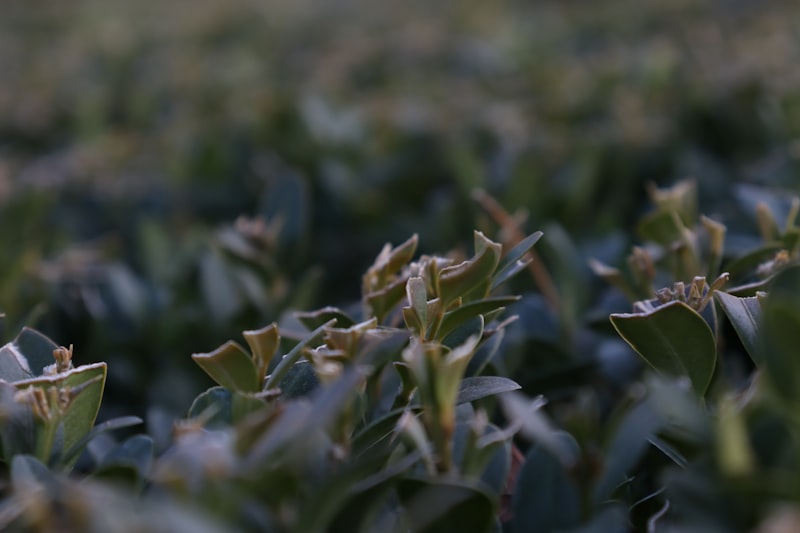
These shrubs are well-suited to Silty Loam soil conditions. Each plant listed below tolerates or thrives in the drainage, pH, and texture characteristics typical of silty loam soil.
Boxwood
Buxus sempervirens
- Sun
- Partial shade to full sun (4-8 hours)
- Water
- Regular, 1 inch/week; consistent moisture
- Spacing
- 24-48 inches
- Days to Harvest
- Array
- pH Range
- 6.5 - 7.5
- Zones
- 5-9
Holly
Ilex spp.
- Sun
- Full sun to partial shade (4-8 hours)
- Water
- Regular, 1 inch/week
- Spacing
- 36-72 inches
- Days to Harvest
- Array
- pH Range
- 5.0 - 6.5
- Zones
- 5-9
Lilac
Syringa vulgaris
- Sun
- Full sun (6-8 hours)
- Water
- Moderate; drought tolerant once established
- Spacing
- 60-96 inches
- Days to Harvest
- Array
- pH Range
- 6.5 - 7.5
- Zones
- 3-7
Hydrangea
Hydrangea macrophylla
- Sun
- Partial shade to full sun (4-6 hours)
- Water
- Regular, 1-2 inches/week; moisture loving
- Spacing
- 36-72 inches
- Days to Harvest
- Array
- pH Range
- 5.5 - 6.5
- Zones
- 5-9
Forsythia
Forsythia × intermedia
- Sun
- Full sun (6-8 hours)
- Water
- Moderate; tolerates some drought
- Spacing
- 48-72 inches
- Days to Harvest
- Array
- pH Range
- 6.0 - 8.0
- Zones
- 5-8
Privet
Ligustrum spp.
- Sun
- Full sun to partial shade (4-8 hours)
- Water
- Moderate; tolerates drought once established
- Spacing
- 24-48 inches (hedge), 60-96 inches (specimen)
- Days to Harvest
- Array
- pH Range
- 5.5 - 8.0
- Zones
- 4-9
Viburnum
Viburnum spp.
- Sun
- Full sun to partial shade (4-8 hours)
- Water
- Regular, 1 inch/week
- Spacing
- 48-96 inches
- Days to Harvest
- Array
- pH Range
- 5.5 - 7.5
- Zones
- 3-8
Spirea
Spiraea spp.
- Sun
- Full sun (6-8 hours)
- Water
- Moderate; tolerates some drought
- Spacing
- 36-60 inches
- Days to Harvest
- Array
- pH Range
- 6.0 - 7.0
- Zones
- 3-9
Growing Shrubs in Silty Loam Soil
Silty loam ranks just behind pure loam as ideal shrub-growing soil. Its high silt content delivers excellent water-holding capacity while the loam fraction ensures adequate drainage and root aeration. Lilac varieties reach peak flowering performance in silty loam — the French hybrids like 'Sensation' and 'Charles Joly' develop the largest panicles and most intense fragrance here. Hydrangeas rarely need supplemental water once established in silty loam because the soil meters out moisture steadily. Boxwood achieves its tightest, most uniform growth habit when roots enjoy silty loam's consistent environment. Forsythia planted in silty loam along property boundaries creates dense screening within two years, its roots spreading aggressively through the accommodating substrate. The main management consideration is preventing the silt fraction from crusting after heavy rain. Maintain permanent mulch cover and avoid power-washing soil surfaces near shrub roots.
Seasonal Feeding Programs for Silty Loam Shrub Beds
Silty loam holds fertilizer well but depletes specific nutrients by midsummer as shrubs hit peak growth demand. A three-phase feeding approach works best: apply balanced granular fertilizer (10-10-10) in March as buds swell, supplement with bloom-boosting phosphorus (bone meal or 0-10-10) in May for flowering shrubs, and finish with a potassium-rich fall feed (0-0-50 muriate of potash) in September to harden wood for winter. Avoid late-nitrogen applications after August — silty loam's moisture retention keeps nitrogen available long enough to stimulate tender new growth that freezes in early winter. Organic growers can substitute compost tea for synthetic fertilizers, but apply it more frequently since nutrient concentrations are lower. Foliar feeding with liquid seaweed provides trace minerals that silty loam sometimes lacks, particularly boron and zinc, which influence flower bud formation and disease resistance respectively.
Soil Preparation Tips for Shrubs in Silty Loam Soil
Preparing silty loam soil for shrubs requires understanding both the soil's characteristics and the plants' needs. With good drainage, silty loam soil provides a good foundation for shrubs. Since shrubs generally have moderate to deep root systems, focus your soil preparation on the top 12 inches. The rich nutrient levels in silty loam soil are beneficial for shrubs, but you'll still want to add minimal - maintain organic matter to maintain soil structure. Prepare your beds 2-3 weeks before planting to allow amendments to integrate. For shrubs, this timing is crucial to ensure optimal growing conditions from day one.
Common Problems Growing Shrubs in Silty Loam Soil
Growing shrubs in silty loam soil presents some unique challenges that you can overcome with proper management. The primary concerns with silty loam soil include slight crusting risk, and erosion on slopes. Long-term establishment can be compromised by poor soil conditions. Pay extra attention to soil preparation at planting time - correcting issues later is much more difficult with woody plants.
Frequently Asked Questions
Is silty loam good for all types of shrubs?
Nearly all. Silty loam accommodates both moisture-loving species like hydrangea and drier-preference shrubs like juniper. The only species that struggle are extreme xeric types like desert sage that need drastically sharper drainage. Even acid-loving shrubs perform adequately if you adjust pH with sulfur amendments.
How do I know if my soil is silty loam?
Wet a handful and rub between your fingers — silty loam feels smooth and silky but not sticky. It forms a weak ball when squeezed that holds shape briefly then crumbles. A ribbon test produces less than an inch before breaking. The soil color is typically dark brown, indicating good organic content.
Do shrubs in silty loam need mulching?
Absolutely. Mulch prevents the silt fraction from crusting after rain, maintains consistent moisture, and regulates soil temperature. Apply 2-3 inches of shredded bark or composted leaves. Replenish annually as decomposition enriches the soil below. Without mulch, silty loam develops a hard surface cap that restricts water infiltration.
What is the best planting depth for shrubs in silty loam soil?
Proper planting depth is critical for shrubs in silty loam soil to ensure healthy establishment. Plant shrubs at the same depth they were growing in the nursery container. The root flare (where the trunk widens at the base) should be visible at the soil surface. Dig the planting hole 2-3 times wider than the root ball but no deeper. In silty loam soil, roughen the sides of the planting hole to prevent glazing, which can restrict root growth. Backfill with the native soil mixed with compost (no more than 25% compost), and water thoroughly to eliminate air pockets. Apply 2-3 inches of mulch around shrubs, keeping it several inches away from the trunk or stems.
What should I do if my shrubs show signs of nutrient deficiency in silty loam soil?
Nutrient deficiencies in shrubs growing in silty loam soil often stem from pH imbalances rather than actual nutrient shortages. Foliar feeding with liquid fertilizer provides quick results while you work on correcting underlying pH issues. Spray diluted liquid fertilizer directly on leaves in the early morning or evening to avoid leaf burn. For shrubs, maintaining proper soil pH is more important than heavy fertilization. Once pH is in the optimal range (6.0-7.0 for most plants), nutrient availability improves dramatically and deficiency symptoms usually resolve within 2-4 weeks.
Gardening Tips for Silty Loam Soil
- Maintain your soil's quality by adding compost or aged manure once a year.
- Rotate crops annually to prevent nutrient depletion and disease buildup.
- Mulch to suppress weeds and regulate soil temperature during extremes.
- Test pH every 2-3 years to catch any gradual shifts before they affect plant health.