Best Vegetables for Silty Loam Soil
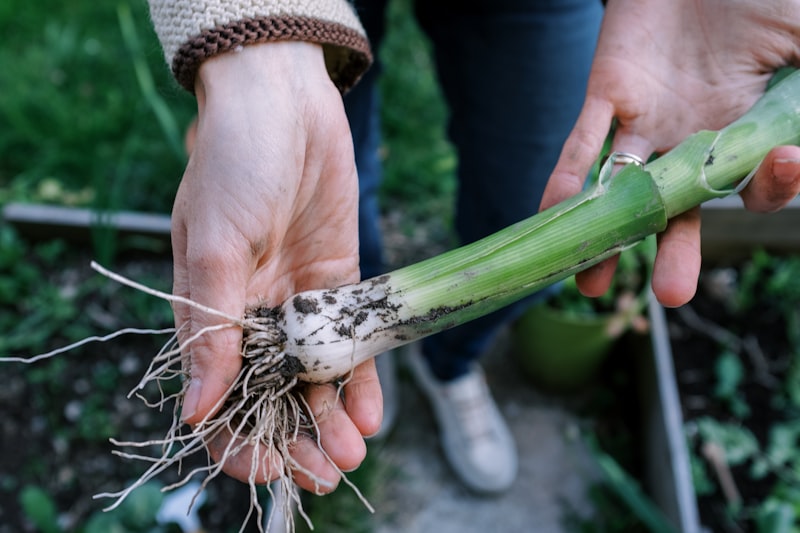
These vegetables are well-suited to Silty Loam soil conditions. Each plant listed below tolerates or thrives in the drainage, pH, and texture characteristics typical of silty loam soil.
Tomato
Solanum lycopersicum
- Sun
- Full sun (6-8 hours)
- Water
- Regular, 1-2 inches/week
- Spacing
- 24-36 inches
- Days to Harvest
- Array
- pH Range
- 6.0 - 6.8
- Zones
- 3-11
Pepper
Capsicum annuum
- Sun
- Full sun (6-8 hours)
- Water
- Regular, 1-2 inches/week
- Spacing
- 18-24 inches
- Days to Harvest
- Array
- pH Range
- 6.0 - 6.8
- Zones
- 3-11
Lettuce
Lactuca sativa
- Sun
- Full sun to partial shade (4-6 hours)
- Water
- Regular, 1 inch/week; keep consistently moist
- Spacing
- 6-12 inches
- Days to Harvest
- Array
- pH Range
- 6.0 - 7.0
- Zones
- 2-11
Cucumber
Cucumis sativus
- Sun
- Full sun (6-8 hours)
- Water
- Regular, 1-2 inches/week; consistent moisture critical
- Spacing
- 36-60 inches
- Days to Harvest
- Array
- pH Range
- 6.0 - 7.0
- Zones
- 4-11
Squash (Summer/Winter)
Cucurbita spp.
- Sun
- Full sun (6-8 hours)
- Water
- Regular, 1-2 inches/week
- Spacing
- 36-60 inches
- Days to Harvest
- Array
- pH Range
- 6.0 - 7.0
- Zones
- 3-11
Broccoli
Brassica oleracea var. italica
- Sun
- Full sun (6-8 hours)
- Water
- Regular, 1-1.5 inches/week
- Spacing
- 18-24 inches
- Days to Harvest
- Array
- pH Range
- 6.0 - 7.0
- Zones
- 2-11
Cabbage
Brassica oleracea var. capitata
- Sun
- Full sun (6-8 hours)
- Water
- Regular, 1-1.5 inches/week
- Spacing
- 18-24 inches
- Days to Harvest
- Array
- pH Range
- 6.0 - 7.5
- Zones
- 1-10
Corn (Sweet)
Zea mays
- Sun
- Full sun (8+ hours)
- Water
- Regular, 1.5-2 inches/week; critical at tasseling
- Spacing
- 12-15 inches in blocks
- Days to Harvest
- Array
- pH Range
- 6.0 - 6.8
- Zones
- 4-11
Onion
Allium cepa
- Sun
- Full sun (6-8 hours)
- Water
- Regular, 1 inch/week; reduce near harvest
- Spacing
- 4-6 inches
- Days to Harvest
- Array
- pH Range
- 6.0 - 7.0
- Zones
- 3-9
Garlic
Allium sativum
- Sun
- Full sun (6-8 hours)
- Water
- Moderate, 0.5-1 inch/week; stop watering 2 weeks before harvest
- Spacing
- 6 inches
- Days to Harvest
- Array
- pH Range
- 6.0 - 7.0
- Zones
- 3-8
Spinach
Spinacia oleracea
- Sun
- Full sun to partial shade (4-6 hours)
- Water
- Regular, 1-1.5 inches/week
- Spacing
- 4-6 inches
- Days to Harvest
- Array
- pH Range
- 6.5 - 7.5
- Zones
- 2-9
Kale
Brassica oleracea var. sabellica
- Sun
- Full sun to partial shade (4-8 hours)
- Water
- Regular, 1-1.5 inches/week
- Spacing
- 18-24 inches
- Days to Harvest
- Array
- pH Range
- 6.0 - 7.5
- Zones
- 2-11
Beet
Beta vulgaris
- Sun
- Full sun to partial shade (4-8 hours)
- Water
- Regular, 1 inch/week
- Spacing
- 3-4 inches
- Days to Harvest
- Array
- pH Range
- 6.0 - 7.5
- Zones
- 2-10
Eggplant
Solanum melongena
- Sun
- Full sun (8+ hours)
- Water
- Regular, 1-2 inches/week
- Spacing
- 24-30 inches
- Days to Harvest
- Array
- pH Range
- 5.5 - 6.8
- Zones
- 5-11
Celery
Apium graveolens
- Sun
- Full sun to partial shade (4-6 hours)
- Water
- Heavy, 2+ inches/week; never let soil dry out
- Spacing
- 8-10 inches
- Days to Harvest
- Array
- pH Range
- 6.0 - 7.0
- Zones
- 2-10
Cauliflower
Brassica oleracea var. botrytis
- Sun
- Full sun (6+ hours)
- Water
- Regular, 1-2 inches/week; consistent moisture critical
- Spacing
- 18-24 inches
- Days to Harvest
- Array
- pH Range
- 6.0 - 7.0
- Zones
- 2-11
Zucchini
Cucurbita pepo
- Sun
- Full sun (6-8 hours)
- Water
- Regular, 1-2 inches/week
- Spacing
- 36-48 inches
- Days to Harvest
- Array
- pH Range
- 6.0 - 7.5
- Zones
- 3-11
Pumpkin
Cucurbita maxima / Cucurbita pepo
- Sun
- Full sun (6-8 hours)
- Water
- Regular, 1-2 inches/week; reduce near harvest
- Spacing
- 60-96 inches
- Days to Harvest
- Array
- pH Range
- 6.0 - 6.8
- Zones
- 3-9
Vegetable Production in Silty Loam
Silty loam ranks among the world's best vegetable-growing soils. The great agricultural valleys of the Missouri and Mississippi rivers, the Ukrainian black earth belt, and China's Yangtze floodplain all feature silty loam that has fed civilizations for millennia. The fine silt particles hold moisture and nutrients in the root zone while the loam component provides enough structure and drainage for healthy root growth. Nearly every vegetable thrives: tomatoes produce heavy crops, root vegetables grow straight and clean, and leafy greens stay tender well into warm weather because the consistent moisture prevents stress-induced bitterness.
Protecting Silty Loam Structure
The biggest risk to vegetable production in silty loam is compaction from foot traffic and equipment. Never walk on growing beds, especially after rain when the soil is most vulnerable. Permanent raised beds with mulched pathways between them preserve the open structure that makes silty loam so productive. Annual compost additions of 2 to 3 inches maintain organic matter that binds silt particles into stable aggregates. Use drip irrigation rather than sprinklers, which can crust the silt surface. If you notice water pooling on the bed surface where it previously absorbed quickly, the structure is degrading and needs a heavier compost application plus a cover crop.
Soil Preparation Tips for Vegetables in Silty Loam Soil
Preparing silty loam soil for vegetables requires understanding both the soil's characteristics and the plants' needs. With good drainage, silty loam soil provides a good foundation for vegetables. Since vegetables generally have varies - shallow (lettuce) to deep (tomatoes) root systems, focus your soil preparation on the top 12 inches. The rich nutrient levels in silty loam soil are beneficial for vegetables, but you'll still want to add minimal - maintain organic matter to maintain soil structure. Prepare your beds 2-3 weeks before planting to allow amendments to integrate. For vegetables, this timing is crucial to ensure optimal growing conditions from day one.
Common Problems Growing Vegetables in Silty Loam Soil
Growing vegetables in silty loam soil presents some unique challenges that you can overcome with proper management. The primary concerns with silty loam soil include slight crusting risk, and erosion on slopes. For vegetables, disease pressure often increases in silty loam soil. Practice crop rotation and maintain good air circulation to minimize fungal issues.
Frequently Asked Questions
Is silty loam the best soil for vegetables?
Silty loam is among the top two or three soil types for vegetables, alongside true loam and well-amended sandy loam. Its natural fertility, moisture retention, and workability support virtually every common vegetable without significant amendment. Many world-class agricultural regions are silty loam.
How often should I amend silty loam for vegetables?
Annual compost application of 2 to 3 inches is sufficient maintenance. Silty loam starts with good natural fertility, so the goal is replenishing what crops remove rather than building from scratch. Cover crops in the off-season add organic matter and protect the surface from erosion.
What should I watch for in silty loam vegetable beds?
Watch for surface crusting after heavy rain, which indicates the structure is degrading. Compaction from foot traffic is the primary enemy. If water pools on previously absorptive beds, increase compost applications and consider a deep-rooted cover crop to restore internal structure.
When is the best time to plant vegetables in silty loam soil?
The ideal planting time for vegetables in silty loam soil depends on both your climate zone and the soil's properties. For cool-season vegetables, plant in early spring or late summer/fall. In silty loam soil, fall planting can be particularly successful as the soil retains warmth while air temperatures cool. Always amend the soil 2-3 weeks before planting to allow time for minimal - maintain organic matter to integrate properly.
What should I do if my vegetables show signs of nutrient deficiency in silty loam soil?
Nutrient deficiencies in vegetables growing in silty loam soil often stem from pH imbalances rather than actual nutrient shortages. Foliar feeding with liquid fertilizer provides quick results while you work on correcting underlying pH issues. Spray diluted liquid fertilizer directly on leaves in the early morning or evening to avoid leaf burn. For vegetables, maintaining proper soil pH is more important than heavy fertilization. Once pH is in the optimal range (6.0-7.0 for most plants), nutrient availability improves dramatically and deficiency symptoms usually resolve within 2-4 weeks.
Gardening Tips for Silty Loam Soil
- Maintain your soil's quality by adding compost or aged manure once a year.
- Rotate crops annually to prevent nutrient depletion and disease buildup.
- Mulch to suppress weeds and regulate soil temperature during extremes.
- Test pH every 2-3 years to catch any gradual shifts before they affect plant health.