Best Flowers for Chalk Soil
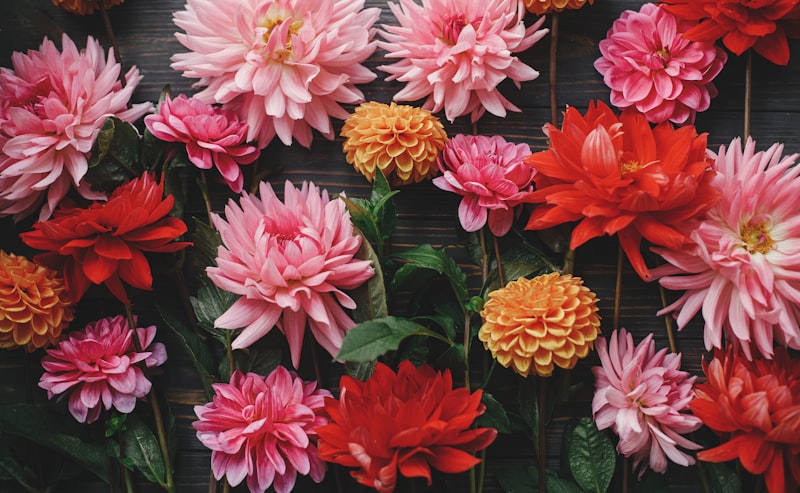
These flowers are well-suited to Chalk soil conditions. Each plant listed below tolerates or thrives in the drainage, pH, and texture characteristics typical of chalk soil.
Lavender
Lavandula angustifolia
- Sun
- Full sun (6-8 hours)
- Water
- Low, 0.5 inch/week; drought tolerant
- Spacing
- 12-18 inches
- Days to Harvest
- Array
- pH Range
- 6.5 - 8.0
- Zones
- 5-9
Tulip
Tulipa spp.
- Sun
- Full sun (6-8 hours)
- Water
- Low to moderate; well-drained essential
- Spacing
- 4-6 inches
- Days to Harvest
- Array
- pH Range
- 6.0 - 7.0
- Zones
- 3-8
Yarrow
Achillea millefolium
- Sun
- Full sun (6-8 hours)
- Water
- Low; very drought tolerant once established
- Spacing
- 18-24 inches
- Days to Harvest
- Array
- pH Range
- 5.5 - 7.5
- Zones
- 3-9
Flower Gardening on Chalk Soil
Chalk soil's high pH and free-draining nature might seem limiting, but a surprising wealth of flowering plants not only tolerate but prefer these alkaline conditions. Dianthus — pinks and carnations — produce their sweetest fragrance in chalky ground, a quality perfumers have understood for centuries. Scabiosa, commonly called pincushion flower, blooms for months in chalk, attracting butterflies with its nectar-rich heads. Wild flowers from chalk grassland habitats, including field scabious, viper's bugloss, and clustered bellflower, create naturalistic meadow plantings that need virtually no care once established. Clematis, the queen of climbing flowers, is a chalk-soil champion — its roots thrive in the cool, alkaline environment while its stems reach for sunlight above. Old-fashioned sweet williams, wallflowers, and stocks also perform at their fragrant best when the soil tips above pH 7.5.
Overcoming Chalk Soil Challenges for Flower Displays
The main enemy of chalk-soil flower gardening is not the alkalinity itself but the shallow, stony topsoil that overlies the chalk bedrock. Roots hit impenetrable white rock sometimes just twenty centimeters below the surface. Building up rather than digging down solves this — add ten to fifteen centimeters of garden compost and well-rotted manure on top of the existing soil each year, letting worms incorporate it naturally. Over three seasons this creates a workable rooting depth for most perennials. Iron deficiency shows as yellowing between leaf veins and affects acid-loving plants most, but even tolerant species benefit from chelated iron applications in spring. For genuine flower diversity, create island beds with imported acidic compost where you grow the rhododendrons and camellias that chalk cannot support naturally — these function like container gardens set into the landscape.
Soil Preparation Tips for Flowers in Chalk Soil
Preparing chalk soil for flowers requires understanding both the soil's characteristics and the plants' needs. With excellent drainage, chalk soil provides a good foundation for flowers. Since flowers generally have shallow to moderate root systems, focus your soil preparation on the top 12 inches. Be aware that chalk soil is typically alkaline (pH 7.5-8.5). Some flowers may show signs of nutrient deficiency in alkaline conditions, particularly iron chlorosis. Prepare your beds 2-3 weeks before planting to allow amendments to integrate. For flowers, this timing is crucial to ensure optimal growing conditions from day one.
Common Problems Growing Flowers in Chalk Soil
Growing flowers in chalk soil presents some unique challenges that you can overcome with proper management. The primary concerns with chalk soil include high alkalinity, shallow topsoil, and iron deficiency. pH-related nutrient lockout can occur in chalk soil, which is alkaline (pH 7.5-8.5). This affects how flowers absorb essential nutrients, particularly iron, manganese, and phosphorus. Test pH annually and adjust as needed - most flowers perform best in neutral to slightly acidic conditions. Flowering may be reduced or delayed if soil conditions are poor. Ensure adequate phosphorus and avoid excess nitrogen, which promotes foliage at the expense of blooms.
Frequently Asked Questions
What flowers grow well in alkaline chalk soil?
Dianthus, scabiosa, clematis, sweet william, wallflowers, lavender, and most Mediterranean herbs-turned-ornamentals thrive in chalk. Native chalk grassland wildflowers like viper's bugloss and clustered bellflower create stunning naturalistic plantings. Bearded iris and peonies also perform well in well-prepared chalk beds.
Can I grow roses in chalk soil?
Many roses tolerate chalk surprisingly well, particularly species roses and rugosa hybrids. Hybrid teas and floribundas benefit from generous planting holes filled with compost and a handful of sulfur chips. Mulch with acidic materials like composted pine bark to gradually moderate the immediate root zone pH.
How deep is chalk soil usually?
Topsoil depth over chalk bedrock varies enormously — from as little as ten centimeters on exposed hillsides to sixty centimeters or more in valleys where soil has accumulated. Test your specific site by pushing a metal rod into the ground; resistance indicates where chalk begins. Build up from there with organic matter.
When is the best time to plant flowers in chalk soil?
The ideal planting time for flowers in chalk soil depends on both your climate zone and the soil's properties. For cool-season flowers, plant in early spring or late summer/fall. In chalk soil, fall planting can be particularly successful as the soil retains warmth while air temperatures cool. Always amend the soil 2-3 weeks before planting to allow time for acidic compost, sulfur, mulch to integrate properly.
What should I do if my flowers show signs of nutrient deficiency in chalk soil?
Nutrient deficiencies in flowers growing in chalk soil often stem from pH imbalances rather than actual nutrient shortages. Since chalk soil is alkaline (pH 7.5-8.5), iron, manganese, and zinc often become locked up and unavailable to plants. Yellowing leaves with green veins (chlorosis) is a telltale sign of iron deficiency. Apply chelated iron or iron sulfate to provide immediate relief, and work sulfur or acidic compost into the soil to gradually lower pH toward neutral. Foliar feeding with liquid fertilizer provides quick results while you work on correcting underlying pH issues. Spray diluted liquid fertilizer directly on leaves in the early morning or evening to avoid leaf burn. For flowers, maintaining proper soil pH is more important than heavy fertilization. Once pH is in the optimal range (6.0-7.0 for most plants), nutrient availability improves dramatically and deficiency symptoms usually resolve within 2-4 weeks.
Gardening Tips for Chalk Soil
- Add organic matter regularly to increase the thin topsoil depth over chalk bedrock.
- Choose alkaline-tolerant plants to work with the soil rather than fighting it.
- Iron deficiency (chlorosis) is common in chalky soil; use chelated iron supplements when needed.
- Mulch well to conserve moisture, as chalk drains very freely.