Best Vegetables for Chalk Soil
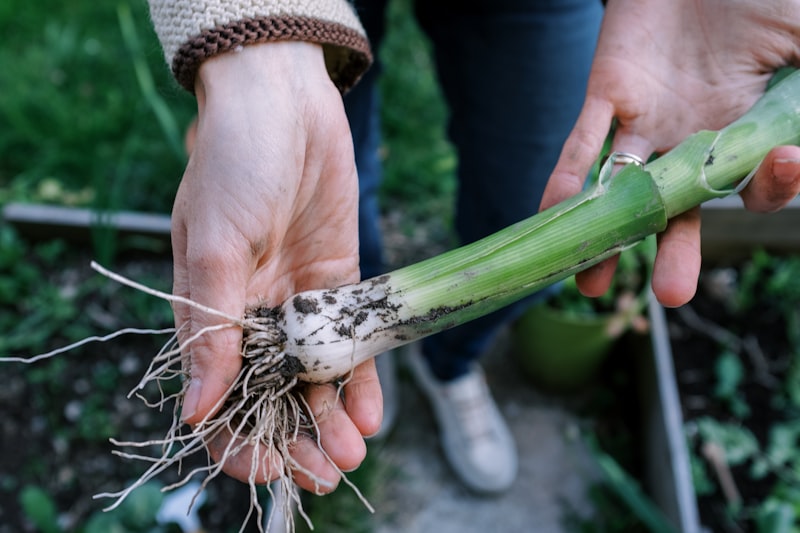
Chalk soil's high alkalinity is an advantage for the right vegetables, not a barrier. Broccoli, cabbage, kale, and asparagus actively prefer the calcium-rich, alkaline conditions chalk provides, and the naturally high pH above 7.2 suppresses clubroot, the most destructive disease of the brassica family. The practical technique is adding generous compost each season to improve water retention in chalk's fast-draining structure and to build up the shallow topsoil layer over time.
These vegetables are well-suited to Chalk soil conditions. Each plant listed below tolerates or thrives in the drainage, pH, and texture characteristics typical of chalk soil.
Cabbage
Brassica oleracea var. capitata
- Sun
- Full sun (6-8 hours)
- Water
- Regular, 1-1.5 inches/week
- Spacing
- 18-24 inches
- Days to Harvest
- Array
- pH Range
- 6.0 - 7.5
- Zones
- 1-10
Brassicas and Alkaline-Tolerant Vegetables That Excel on Chalk
Chalk soil suits a specific and productive group of vegetables. Brassicas — broccoli, cabbage, cauliflower, Brussels sprouts, and kale — are the standout performers because the naturally alkaline pH and high calcium content of chalk suppress clubroot (Plasmodiophora brassicae), the soil-borne pathogen that devastates these crops in acidic conditions. Research from NC State Extension confirms that clubroot infection is inhibited at pH above 7.2, which chalk naturally maintains. Asparagus is another strong performer: it tolerates pH up to 8.0 and rewards the free-draining conditions chalk provides. Spinach, beets, and Swiss chard prefer neutral to slightly alkaline soil and need no pH adjustment on chalk. Peas and beans — the full legume family — prefer alkaline conditions, making them natural chalk-garden crops. Onions, garlic, and leeks are similarly tolerant. The vegetables to approach with raised beds are tomatoes, potatoes, blueberries, and sweet corn, which prefer slightly acidic soil and underperform on raw chalk without amendment.
Understanding Iron Chlorosis and Nutrient Management
The primary nutrient challenge on chalk soil is iron chlorosis — yellowing leaves with green veins persisting, caused not by iron shortage in the soil but by iron becoming chemically unavailable at pH above 7.5. Manganese and zinc follow the same pattern. The RHS and NC State Extension both confirm that above pH 7.5, these micronutrients precipitate into insoluble forms that plant roots cannot access. For fast correction, apply chelated iron in the EDDHA form (ethylenediamine-N,N'-bis(2-hydroxyphenylacetic acid)), which remains soluble and plant-available even at pH 8.0, unlike cheaper EDTA chelates that lose effectiveness above pH 6.5. Foliar spraying provides visible improvement within a week. Long-term management relies on heavy compost additions: organic matter creates a slightly acidic microenvironment around roots, partially offsetting the bulk soil pH, and adds micronutrient reserves that buffer against deficiency.
Building Up the Topsoil Layer on Chalk
Chalk soils are often shallow — sometimes just 6 to 10 inches of topsoil over solid chalk bedrock — and the free-draining nature means organic matter decomposes rapidly. The practical response is an annual commitment to adding organic matter. Spread 3 to 4 inches of well-rotted compost or aged manure each autumn and work it into the top 8 inches. Over three to five seasons this measurably deepens the usable root zone and improves moisture retention. For vegetables that need more root depth immediately — tomatoes, squash, deep-rooted brassicas — raised beds are the practical solution. Build frames at least 12 inches deep (18 inches is better) and fill with imported loam-compost mix rather than native chalk soil. The chalk below still provides excellent natural drainage, which prevents the waterlogging that kills many vegetable roots in wetter climates. Do not add lime or attempt to further raise the pH on chalk soils — they are already at the upper limit for most crops.
Watering Strategy for Fast-Draining Chalk Ground
Chalk's free-draining character means irrigation frequency needs to increase significantly compared to clay or loam gardens. On lighter chalk soils during dry summer periods, watering two to three times per week is not unusual. Drip irrigation or soaker hoses are strongly preferred over overhead sprinklers because they deliver water directly to the root zone with minimal surface evaporation, and they keep brassica foliage dry, which reduces fungal pressure. Surface mulching with 2 to 3 inches of straw, wood chips, or shredded bark dramatically reduces moisture loss from the soil surface — studies from OSU Extension show organic matter retains roughly ten times more water than mineral soil alone. Apply mulch after the soil has warmed in late spring and renew each season. For raised beds on chalk, the soil mix's improved water retention reduces irrigation frequency compared to in-ground planting in raw chalk.
Asparagus, Jersey Knight, and Long-Term Crops on Chalk
Chalk is one of the better soil types for perennial vegetables precisely because its alkalinity and drainage suit crops that rot in wet, acid conditions. Asparagus is the primary example. The variety 'Jersey Knight' was specifically noted by growers for performing well in poor, salty, or alkaline soil, making it the preferred choice over traditional varieties like 'Connover's Colossal' when pH is clearly above 7.5. Plant crowns in a trench 8 to 10 inches deep, setting crown tops 6 to 8 inches below the final soil surface. On shallow chalk, this means importing topsoil to build up the bed rather than digging into the chalk layer. Globe artichokes and chicory are two other perennial-leaning crops that tolerate and in some cases prefer alkaline conditions. For annual cool-season crops, kale and purple sprouting broccoli are the most reliable chalk-garden vegetables in terms of consistent yield with minimal inputs, particularly in fall and overwintering plantings where the free drainage prevents the crown rot that kills these crops in waterlogged ground.
Frequently Asked Questions
What vegetables grow best in chalky alkaline soil?
Brassicas — broccoli, cabbage, cauliflower, Brussels sprouts, and kale — are the strongest performers because chalk's alkalinity and calcium suppress clubroot disease. Asparagus, spinach, beets, peas, beans, onions, and garlic also thrive. These crops need no pH adjustment and often outperform their yields in neutral soil.
Why do vegetable leaves turn yellow on chalk soil and how do I fix it?
Yellowing leaves with green veins (interveinal chlorosis) on chalk is almost always iron deficiency caused by high pH locking iron into insoluble forms, not an actual lack of iron in the soil. Apply chelated iron in the EDDHA form for fast results — EDDHA stays plant-available at pH up to 9.0. Foliar spraying shows improvement within a week. Annual compost additions reduce the problem long-term.
How deep does soil need to be for vegetables on chalk?
Chalk topsoil is often only 6 to 10 inches deep over bedrock, which is enough for shallow-rooted crops like lettuce, spinach, onions, and most brassicas. For tomatoes and squash, build raised beds at least 12 to 18 inches deep filled with imported loam-compost mix. Asparagus crowns need planting in a trench 8 to 10 inches deep with soil built up above.
Can I grow tomatoes in chalk soil?
Tomatoes prefer soil at pH 6.0 to 6.8 and struggle in raw chalk at pH 7.5 to 8.5. The practical solution is a raised bed at least 12 inches deep filled with loam and compost at neutral pH. The chalk below provides good drainage. Watch for iron chlorosis and treat with EDDHA chelated iron if leaves yellow. Choose determinate varieties, which have more compact root systems.
Should I add sulfur or lime to chalk soil for vegetables?
Do not add lime — chalk is already at or above the pH ceiling for most crops. Adding sulfur to lower pH on chalk is technically possible but impractical: the calcium carbonate in chalk buffers so strongly that enormous quantities of sulfur applied over many years would be needed to make a measurable difference. Instead, choose alkaline-tolerant crops and use raised beds with imported soil for pH-sensitive vegetables.
How often should I water vegetables in chalk soil?
Chalk drains freely, so plan on watering two to three times per week in summer rather than once. Check at 3 inches depth — if dry at that point, water thoroughly. Drip lines or soaker hoses are far more efficient than sprinklers. Mulching the soil surface with 2 to 3 inches of straw or wood chips reduces water loss dramatically and cuts irrigation frequency.
Which asparagus variety performs best in alkaline chalk soil?
'Jersey Knight' is the recommended variety for alkaline and poor soils, showing better tolerance above pH 7.5 than older varieties. Plant crowns in a trench 8 to 10 inches deep. On very shallow chalk, build up a raised asparagus bed with imported topsoil rather than trying to plant into the chalk layer itself. Asparagus is a 20-year crop, so bed preparation is worth the investment.
Gardening Tips for Chalk Soil
- Add organic matter regularly to increase the thin topsoil depth over chalk bedrock.
- Choose alkaline-tolerant plants to work with the soil rather than fighting it.
- Iron deficiency (chlorosis) is common in chalky soil; use chelated iron supplements when needed.
- Mulch well to conserve moisture, as chalk drains very freely.