Best Fruits for Chalk Soil
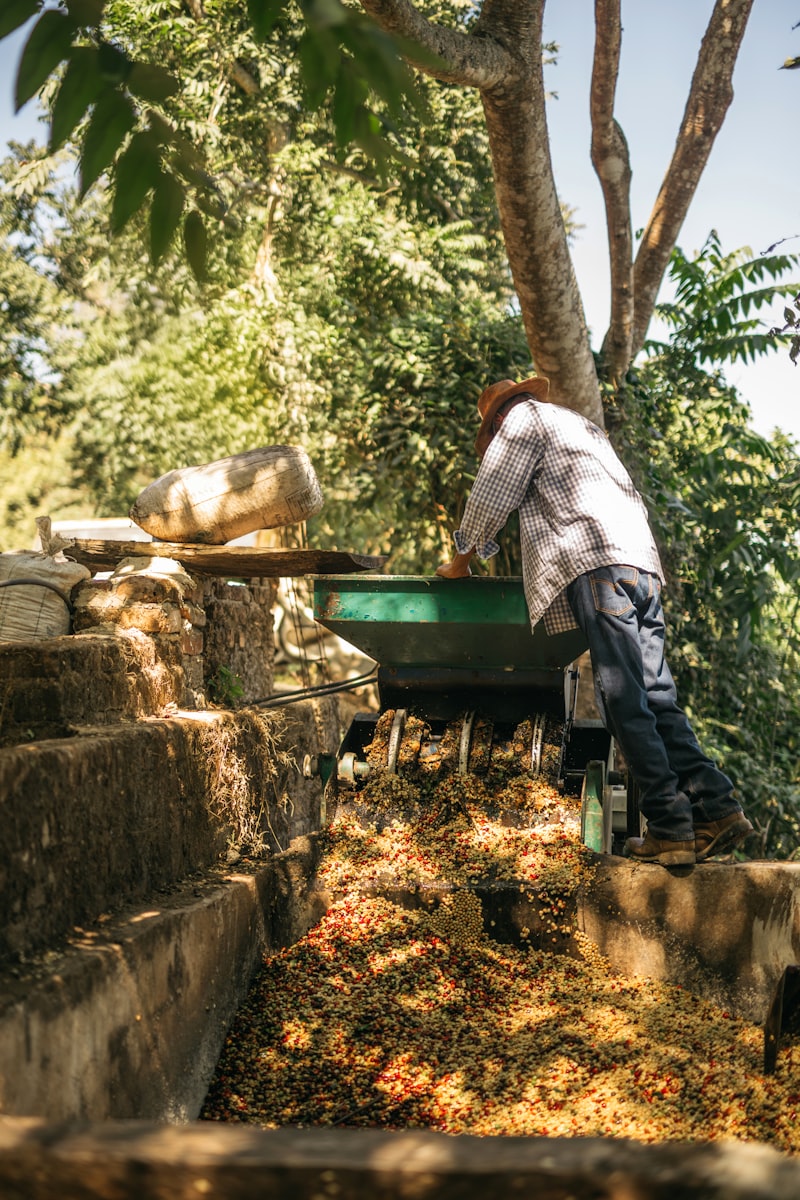
These fruits are well-suited to Chalk soil conditions. Each plant listed below tolerates or thrives in the drainage, pH, and texture characteristics typical of chalk soil.
Grape
Vitis vinifera / Vitis labrusca
- Sun
- Full sun (7-8 hours)
- Water
- Moderate, 0.5-1 inch/week; drought tolerant once established
- Spacing
- 6-8 feet
- Days to Harvest
- Array
- pH Range
- 5.5 - 7.0
- Zones
- 4-10
Fig
Ficus carica
- Sun
- Full sun (6-8 hours)
- Water
- Moderate, 1 inch/week; drought tolerant once established
- Spacing
- 15-20 feet
- Days to Harvest
- Array
- pH Range
- 6.0 - 8.0
- Zones
- 7-11
Growing Fruits on Chalky Alkaline Soil
Chalky soil sits at pH 7.5 to 8.5, which locks out iron and manganese from most plants and turns leaves yellow through chlorosis. Plenty of gardeners give up on fruit here, but that's a mistake. Grape vines are famously well-suited to chalk — the legendary Champagne and Burgundy wine regions sit on deep chalk beds, and the stress of alkaline, well-drained soil concentrates sugars and acids that make exceptional fruit. Fig trees handle chalk beautifully because they evolved in Mediterranean limestone landscapes. Sweet cherries on Colt rootstock tolerate alkaline conditions and produce well where other rootstocks develop iron deficiency. Mulberries are another underused option for chalky ground; both red and white mulberry species fruit prolifically on alkaline soil with zero amendment. Quinces grafted onto their own roots handle chalk better than most tree fruits.
Overcoming Iron Chlorosis in Chalk Fruit Gardens
Iron chlorosis — yellowing leaves with green veins — is the telltale sign that chalk is locking nutrients away from your fruit plants. Foliar sprays of chelated iron (EDDHA form specifically) provide the fastest correction, greening leaves within a week. Apply every two weeks from bud break through July. For a longer-term fix, acidify the root zone by working sulfur chips into the soil at planting time at a rate of one pound per 10 square feet. Mulch with pine needles or coffee grounds to gradually lower surface pH. For berry crops that refuse to tolerate chalk, dig out a pocket two feet deep and three feet wide, line it with landscape fabric, and fill with an acidic planting mix. Blueberries can grow in these pockets on otherwise impossible chalk ground, though they'll never match peat-grown yields.
Soil Preparation Tips for Fruits in Chalk Soil
Preparing chalk soil for fruits requires understanding both the soil's characteristics and the plants' needs. With excellent drainage, chalk soil provides a good foundation for fruits. For fruits, which typically have deep - often 3-6 feet root systems, work amendments into the soil to a depth of at least 18-24 inches. Be aware that chalk soil is typically alkaline (pH 7.5-8.5). Some fruits may show signs of nutrient deficiency in alkaline conditions, particularly iron chlorosis. Prepare your beds 2-3 weeks before planting to allow amendments to integrate. For fruits, this timing is crucial to ensure optimal growing conditions from day one.
Common Problems Growing Fruits in Chalk Soil
Growing fruits in chalk soil presents some unique challenges that you can overcome with proper management. The primary concerns with chalk soil include high alkalinity, shallow topsoil, and iron deficiency. pH-related nutrient lockout can occur in chalk soil, which is alkaline (pH 7.5-8.5). This affects how fruits absorb essential nutrients, particularly iron, manganese, and phosphorus. Test pH annually and adjust as needed - most fruits perform best in neutral to slightly acidic conditions. Fruit quality may suffer in suboptimal soil conditions. Monitor fruit development closely and adjust watering and fertilization based on plant response rather than strict schedules.
Frequently Asked Questions
What fruits grow in chalky soil?
Grapes, figs, sweet cherries on Colt rootstock, mulberries, quince, and medlars all tolerate chalk's high pH. Many Mediterranean fruits evolved on limestone and perform well in alkaline conditions. Avoid blueberries, raspberries, and most acid-loving fruits unless you create isolated acidic planting pockets.
Can you lower the pH of chalk soil for fruit growing?
Temporarily, yes. Elemental sulfur, iron sulfate, and acidic mulches lower pH in the treated zone. However, chalk buffers strongly against pH change, so amendments wash out within a season. Isolated raised beds filled with acidic mix are more practical for acid-loving fruit crops.
Why do grape vines grow well on chalk?
Chalk's excellent drainage forces vine roots deep, sometimes 30 feet down, accessing minerals that create complex flavors. The alkaline pH limits vine vigor, reducing leaf canopy and concentrating energy into fruit. Chalk also reflects light upward, warming grape clusters from below for even ripening.
What is the best planting depth for fruits in chalk soil?
Proper planting depth is critical for fruits in chalk soil to ensure healthy establishment. Plant fruits at the same depth they were growing in the nursery container. The root flare (where the trunk widens at the base) should be visible at the soil surface. Dig the planting hole 2-3 times wider than the root ball but no deeper. In chalk soil, roughen the sides of the planting hole to prevent glazing, which can restrict root growth. Backfill with the native soil mixed with compost (no more than 25% compost), and water thoroughly to eliminate air pockets. Apply 2-3 inches of mulch around fruits, keeping it several inches away from the trunk or stems.
What should I do if my fruits show signs of nutrient deficiency in chalk soil?
Nutrient deficiencies in fruits growing in chalk soil often stem from pH imbalances rather than actual nutrient shortages. Since chalk soil is alkaline (pH 7.5-8.5), iron, manganese, and zinc often become locked up and unavailable to plants. Yellowing leaves with green veins (chlorosis) is a telltale sign of iron deficiency. Apply chelated iron or iron sulfate to provide immediate relief, and work sulfur or acidic compost into the soil to gradually lower pH toward neutral. Foliar feeding with liquid fertilizer provides quick results while you work on correcting underlying pH issues. Spray diluted liquid fertilizer directly on leaves in the early morning or evening to avoid leaf burn. For fruits, maintaining proper soil pH is more important than heavy fertilization. Once pH is in the optimal range (6.0-7.0 for most plants), nutrient availability improves dramatically and deficiency symptoms usually resolve within 2-4 weeks.
Gardening Tips for Chalk Soil
- Add organic matter regularly to increase the thin topsoil depth over chalk bedrock.
- Choose alkaline-tolerant plants to work with the soil rather than fighting it.
- Iron deficiency (chlorosis) is common in chalky soil; use chelated iron supplements when needed.
- Mulch well to conserve moisture, as chalk drains very freely.