Best Shrubs for Chalk Soil
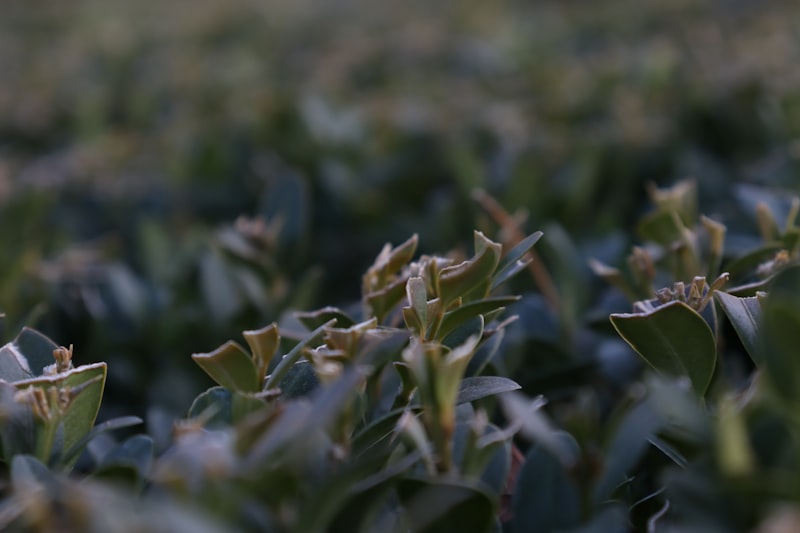
These shrubs are well-suited to Chalk soil conditions. Each plant listed below tolerates or thrives in the drainage, pH, and texture characteristics typical of chalk soil.
Lilac
Syringa vulgaris
- Sun
- Full sun (6-8 hours)
- Water
- Moderate; drought tolerant once established
- Spacing
- 60-96 inches
- Days to Harvest
- Array
- pH Range
- 6.5 - 7.5
- Zones
- 3-7
Juniper
Juniperus spp.
- Sun
- Full sun (6-8 hours)
- Water
- Low; very drought tolerant once established
- Spacing
- 24-96 inches (varies by species)
- Days to Harvest
- Array
- pH Range
- 5.5 - 8.0
- Zones
- 2-9
Privet
Ligustrum spp.
- Sun
- Full sun to partial shade (4-8 hours)
- Water
- Moderate; tolerates drought once established
- Spacing
- 24-48 inches (hedge), 60-96 inches (specimen)
- Days to Harvest
- Array
- pH Range
- 5.5 - 8.0
- Zones
- 4-9
Barberry
Berberis thunbergii
- Sun
- Full sun to partial shade (4-8 hours)
- Water
- Low to moderate; drought tolerant
- Spacing
- 36-60 inches
- Days to Harvest
- Array
- pH Range
- 6.0 - 7.5
- Zones
- 4-8
Growing Shrubs in Chalk Soil
Chalky soil is highly alkaline, often pH 7.5 or above, and typically shallow with a bedrock layer that limits root depth. Many popular shrubs fail here because alkalinity locks up iron and manganese, causing lime-induced chlorosis. But a surprising number of ornamental shrubs thrive in these conditions once you know what to select. Buddleia produces its most floriferous displays on chalk — the butterfly bush is essentially a limestone-scrub native. Philadelphus (mock orange) flowers generously in chalky ground, tolerating both the high pH and summer dryness that shallow chalk creates. Deutzia, weigela, and kolkwitzia (beautybush) all flower reliably. For evergreen structure, choose yew (Taxus) over rhododendron — yew genuinely prefers alkaline soil while rhododendron suffers visibly. Cotoneaster and pyracantha handle chalk's challenges while providing berries for winter interest and wildlife value.
Overcoming Nutrient Lockout on Chalk
Iron chlorosis — yellow leaves with green veins — plagues shrubs on chalk that aren't adapted to alkaline conditions. Chelated iron (EDDHA form specifically) remains available above pH 7.5, unlike cheaper EDTA chelates that break down in alkaline soil. Apply EDDHA iron as a soil drench in early spring and again midsummer for affected plants. Sequestered trace element feeds containing manganese, zinc, and boron alongside iron address multiple lockout issues simultaneously. Long-term, build organic matter aggressively — composted material creates localized zones of lower pH around root systems. Sulfur chips worked into planting holes lower pH temporarily, but chalk buffers powerfully and the effect rarely lasts more than one season. Instead of fighting the pH, choose adapted species and focus on building soil depth over the chalk layer with annual compost topdressing. Over five years, you can build 6-8 inches of improved topsoil this way.
Soil Preparation Tips for Shrubs in Chalk Soil
Preparing chalk soil for shrubs requires understanding both the soil's characteristics and the plants' needs. With excellent drainage, chalk soil provides a good foundation for shrubs. Since shrubs generally have moderate to deep root systems, focus your soil preparation on the top 12 inches. Be aware that chalk soil is typically alkaline (pH 7.5-8.5). Some shrubs may show signs of nutrient deficiency in alkaline conditions, particularly iron chlorosis. Prepare your beds 2-3 weeks before planting to allow amendments to integrate. For shrubs, this timing is crucial to ensure optimal growing conditions from day one.
Common Problems Growing Shrubs in Chalk Soil
Growing shrubs in chalk soil presents some unique challenges that you can overcome with proper management. The primary concerns with chalk soil include high alkalinity, shallow topsoil, and iron deficiency. pH-related nutrient lockout can occur in chalk soil, which is alkaline (pH 7.5-8.5). This affects how shrubs absorb essential nutrients, particularly iron, manganese, and phosphorus. Test pH annually and adjust as needed - most shrubs perform best in neutral to slightly acidic conditions. Long-term establishment can be compromised by poor soil conditions. Pay extra attention to soil preparation at planting time - correcting issues later is much more difficult with woody plants.
Frequently Asked Questions
Can I grow rhododendrons in chalk soil?
Not successfully in ground — chalk's alkalinity causes severe chlorosis and eventual death. Container growing with ericaceous compost is the only reliable option. Even with acidifying amendments, chalk buffers so strongly that pH rebounds within months. Choose yew, box, or osmanthus for evergreen structure instead.
Why is my shrub's foliage yellow on chalk soil?
Lime-induced chlorosis from iron and manganese lockout at high pH. Veins stay green while leaf tissue yellows — a signature pattern. Apply chelated iron in EDDHA form as a soil drench. Long term, choose alkaline-tolerant species rather than fighting the chemistry with repeated treatments.
How deep is chalk soil typically?
Topsoil over chalk ranges from 4 to 18 inches, rarely more. Probe with a metal rod to find your depth before choosing shrub species. Shallow chalk limits you to fibrous-rooted species like potentilla and cotoneaster. Deeper profiles support larger shrubs like viburnum and philadelphus comfortably.
What is the best planting depth for shrubs in chalk soil?
Proper planting depth is critical for shrubs in chalk soil to ensure healthy establishment. Plant shrubs at the same depth they were growing in the nursery container. The root flare (where the trunk widens at the base) should be visible at the soil surface. Dig the planting hole 2-3 times wider than the root ball but no deeper. In chalk soil, roughen the sides of the planting hole to prevent glazing, which can restrict root growth. Backfill with the native soil mixed with compost (no more than 25% compost), and water thoroughly to eliminate air pockets. Apply 2-3 inches of mulch around shrubs, keeping it several inches away from the trunk or stems.
What should I do if my shrubs show signs of nutrient deficiency in chalk soil?
Nutrient deficiencies in shrubs growing in chalk soil often stem from pH imbalances rather than actual nutrient shortages. Since chalk soil is alkaline (pH 7.5-8.5), iron, manganese, and zinc often become locked up and unavailable to plants. Yellowing leaves with green veins (chlorosis) is a telltale sign of iron deficiency. Apply chelated iron or iron sulfate to provide immediate relief, and work sulfur or acidic compost into the soil to gradually lower pH toward neutral. Foliar feeding with liquid fertilizer provides quick results while you work on correcting underlying pH issues. Spray diluted liquid fertilizer directly on leaves in the early morning or evening to avoid leaf burn. For shrubs, maintaining proper soil pH is more important than heavy fertilization. Once pH is in the optimal range (6.0-7.0 for most plants), nutrient availability improves dramatically and deficiency symptoms usually resolve within 2-4 weeks.
Gardening Tips for Chalk Soil
- Add organic matter regularly to increase the thin topsoil depth over chalk bedrock.
- Choose alkaline-tolerant plants to work with the soil rather than fighting it.
- Iron deficiency (chlorosis) is common in chalky soil; use chelated iron supplements when needed.
- Mulch well to conserve moisture, as chalk drains very freely.