Best Herbs for Chalk Soil
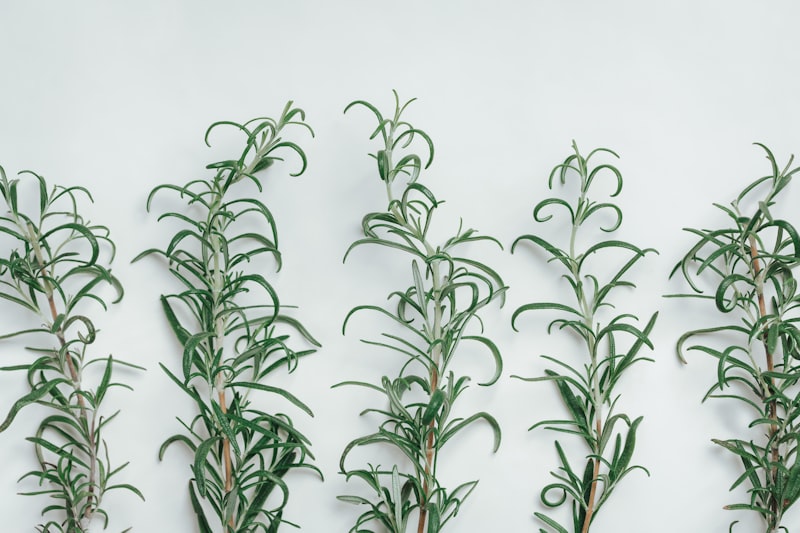
These herbs are well-suited to Chalk soil conditions. Each plant listed below tolerates or thrives in the drainage, pH, and texture characteristics typical of chalk soil.
Rosemary
Salvia rosmarinus
- Sun
- Full sun (6-8 hours)
- Water
- Low; drought tolerant once established
- Spacing
- 24-36 inches
- Days to Harvest
- Array
- pH Range
- 6.0 - 7.5
- Zones
- 7-10
Thyme
Thymus vulgaris
- Sun
- Full sun (6-8 hours)
- Water
- Low; drought tolerant
- Spacing
- 8-12 inches
- Days to Harvest
- Array
- pH Range
- 6.0 - 8.0
- Zones
- 5-9
Oregano
Origanum vulgare
- Sun
- Full sun (6-8 hours)
- Water
- Low to moderate; allow soil to dry between waterings
- Spacing
- 12-15 inches
- Days to Harvest
- Array
- pH Range
- 6.0 - 8.0
- Zones
- 5-10
Sage
Salvia officinalis
- Sun
- Full sun (6-8 hours)
- Water
- Low to moderate; drought tolerant once established
- Spacing
- 18-24 inches
- Days to Harvest
- Array
- pH Range
- 6.0 - 7.0
- Zones
- 4-8
Lavender (Culinary)
Lavandula angustifolia
- Sun
- Full sun (6-8 hours)
- Water
- Low; drought tolerant once established
- Spacing
- 12-18 inches
- Days to Harvest
- Array
- pH Range
- 6.5 - 8.0
- Zones
- 5-9
Growing Herbs on Chalk Soil
Chalk soil is shallow, alkaline, and drains almost too freely, yet several herb families absolutely love these conditions. Lavender reaches peak performance on chalk, producing the most aromatic flowers and the highest essential oil concentrations. Thyme, marjoram, oregano, and hyssop also thrive on chalky ground because their ancestral habitats in southern Europe share similar alkaline, fast-draining profiles. The thin topsoil over chalk bedrock limits root depth, so choose compact herb varieties over vigorous ones. Parsley and basil struggle here without significant enrichment since chalk soil is nutritionally poor and dries out rapidly. Add compost generously in planting pockets rather than broadcasting it across the entire bed. Acidifying amendments like sulfur or ericaceous compost are fighting a losing battle on chalk since the underlying rock continuously buffers pH upward.
Creating a Chalk-Friendly Herb Parterre
Chalk's alkaline, free-draining nature suits the classic formal herb parterre design perfectly. Edge beds with clipped box or dwarf lavender, plant geometric sections with alternating blocks of purple sage, golden thyme, silver artemisia, and green oregano. The chalky substrate keeps these woody herbs compact and prevents the leggy growth that richer soils encourage. A central focal point of a tall rosemary or bay laurel adds vertical structure. Gravel paths between beds complement the planting style and suppress weeds without retaining moisture. This ornamental approach also functions as a productive kitchen garden. Harvest outer growth regularly to maintain the geometric shapes while ensuring a steady supply of fresh herbs. Chalk garden parterres require minimal irrigation once established, saving significant effort.
Soil Preparation Tips for Herbs in Chalk Soil
Preparing chalk soil for herbs requires understanding both the soil's characteristics and the plants' needs. With excellent drainage, chalk soil provides a good foundation for herbs. Since herbs generally have shallow to moderate root systems, focus your soil preparation on the top 12 inches. Be aware that chalk soil is typically alkaline (pH 7.5-8.5). Some herbs may show signs of nutrient deficiency in alkaline conditions, particularly iron chlorosis. Prepare your beds 2-3 weeks before planting to allow amendments to integrate. For herbs, this timing is crucial to ensure optimal growing conditions from day one.
Common Problems Growing Herbs in Chalk Soil
Growing herbs in chalk soil presents some unique challenges that you can overcome with proper management. The primary concerns with chalk soil include high alkalinity, shallow topsoil, and iron deficiency. pH-related nutrient lockout can occur in chalk soil, which is alkaline (pH 7.5-8.5). This affects how herbs absorb essential nutrients, particularly iron, manganese, and phosphorus. Test pH annually and adjust as needed - most herbs perform best in neutral to slightly acidic conditions. Many herbs lose flavor intensity when stressed. While some stress is beneficial for essential oil production, severe soil issues will reduce both growth and aromatic qualities.
Frequently Asked Questions
What herbs grow best in alkaline chalk soil?
Lavender, thyme, oregano, marjoram, hyssop, and sage all excel on chalk. These Mediterranean natives evolved in alkaline, rocky conditions very similar to chalk. Rosemary performs well if given some wind protection. Chives and fennel also handle chalky alkalinity without complaint.
Why do some herbs turn yellow on chalk soil?
Yellowing leaves on chalk typically indicate lime-induced chlorosis, where high pH locks up iron and manganese so roots cannot absorb them. Acid-loving herbs suffer most. Apply chelated iron as a foliar spray for quick relief. Long-term, grow susceptible herbs in containers with ericaceous compost instead.
How do I add nutrients to thin chalk soil for herbs?
Dig individual planting pockets and fill with a mix of compost and native soil. Topdress with well-rotted manure each autumn. Liquid seaweed feed every three weeks during the growing season provides trace minerals. Avoid broadcast fertilizing since nutrients wash through chalk almost immediately.
When is the best time to plant herbs in chalk soil?
The ideal planting time for herbs in chalk soil depends on both your climate zone and the soil's properties. For cool-season herbs, plant in early spring or late summer/fall. In chalk soil, fall planting can be particularly successful as the soil retains warmth while air temperatures cool. Always amend the soil 2-3 weeks before planting to allow time for acidic compost, sulfur, mulch to integrate properly.
What should I do if my herbs show signs of nutrient deficiency in chalk soil?
Nutrient deficiencies in herbs growing in chalk soil often stem from pH imbalances rather than actual nutrient shortages. Since chalk soil is alkaline (pH 7.5-8.5), iron, manganese, and zinc often become locked up and unavailable to plants. Yellowing leaves with green veins (chlorosis) is a telltale sign of iron deficiency. Apply chelated iron or iron sulfate to provide immediate relief, and work sulfur or acidic compost into the soil to gradually lower pH toward neutral. Foliar feeding with liquid fertilizer provides quick results while you work on correcting underlying pH issues. Spray diluted liquid fertilizer directly on leaves in the early morning or evening to avoid leaf burn. For herbs, maintaining proper soil pH is more important than heavy fertilization. Once pH is in the optimal range (6.0-7.0 for most plants), nutrient availability improves dramatically and deficiency symptoms usually resolve within 2-4 weeks.
Gardening Tips for Chalk Soil
- Add organic matter regularly to increase the thin topsoil depth over chalk bedrock.
- Choose alkaline-tolerant plants to work with the soil rather than fighting it.
- Iron deficiency (chlorosis) is common in chalky soil; use chelated iron supplements when needed.
- Mulch well to conserve moisture, as chalk drains very freely.