Best Flowers for Loam Soil
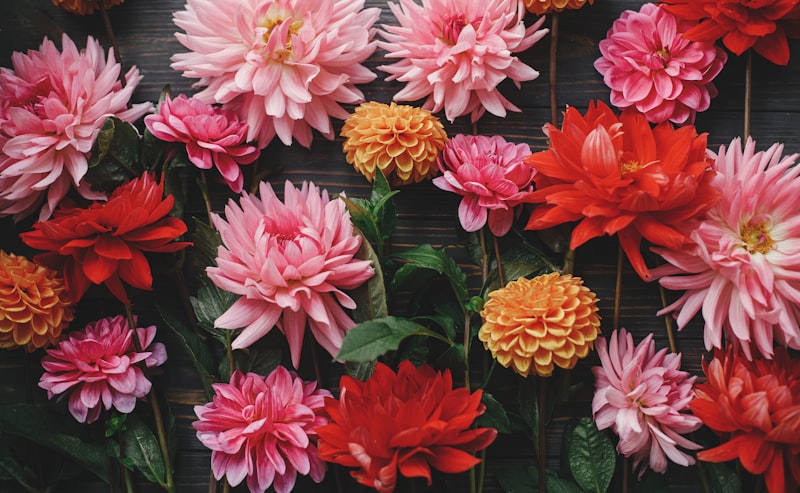
These flowers are well-suited to Loam soil conditions. Each plant listed below tolerates or thrives in the drainage, pH, and texture characteristics typical of loam soil.
Rose
Rosa spp.
- Sun
- Full sun (6-8 hours)
- Water
- Regular, 1-2 inches/week; deep watering preferred
- Spacing
- 24-48 inches
- Days to Harvest
- Array
- pH Range
- 6.0 - 6.5
- Zones
- 3-11
Sunflower
Helianthus annuus
- Sun
- Full sun (6-8 hours)
- Water
- Moderate, 1 inch/week; drought tolerant once established
- Spacing
- 12-24 inches
- Days to Harvest
- Array
- pH Range
- 6.0 - 7.5
- Zones
- 2-11
Marigold
Tagetes spp.
- Sun
- Full sun (6-8 hours)
- Water
- Moderate, 1 inch/week
- Spacing
- 8-18 inches
- Days to Harvest
- Array
- pH Range
- 6.0 - 7.5
- Zones
- 2-11
Zinnia
Zinnia elegans
- Sun
- Full sun (6-8 hours)
- Water
- Moderate, 1 inch/week; avoid overhead watering
- Spacing
- 6-18 inches
- Days to Harvest
- Array
- pH Range
- 5.5 - 7.5
- Zones
- 2-11
Petunia
Petunia × hybrida
- Sun
- Full sun (6-8 hours)
- Water
- Moderate, 1 inch/week
- Spacing
- 12-18 inches
- Days to Harvest
- Array
- pH Range
- 6.0 - 7.0
- Zones
- 10-11 (perennial), 2-11 (annual)
Dahlia
Dahlia pinnata
- Sun
- Full sun (6-8 hours)
- Water
- Regular, 1-2 inches/week
- Spacing
- 18-24 inches
- Days to Harvest
- Array
- pH Range
- 6.0 - 7.0
- Zones
- 8-11 (perennial), 3-7 (annual)
Tulip
Tulipa spp.
- Sun
- Full sun (6-8 hours)
- Water
- Low to moderate; well-drained essential
- Spacing
- 4-6 inches
- Days to Harvest
- Array
- pH Range
- 6.0 - 7.0
- Zones
- 3-8
Daffodil
Narcissus spp.
- Sun
- Full sun to partial shade (4-8 hours)
- Water
- Moderate during growth; dry during dormancy
- Spacing
- 4-6 inches
- Days to Harvest
- Array
- pH Range
- 6.0 - 7.0
- Zones
- 3-9
Lily
Lilium spp.
- Sun
- Full sun to partial shade (6-8 hours)
- Water
- Regular, 1 inch/week; well-drained essential
- Spacing
- 8-12 inches
- Days to Harvest
- Array
- pH Range
- 6.0 - 6.8
- Zones
- 3-9
Hydrangea
Hydrangea macrophylla
- Sun
- Partial shade to full sun (4-6 hours)
- Water
- Regular, 1-2 inches/week; moisture loving
- Spacing
- 36-60 inches
- Days to Harvest
- Array
- pH Range
- 5.5 - 6.5
- Zones
- 5-9
Coneflower (Echinacea)
Echinacea purpurea
- Sun
- Full sun (6-8 hours)
- Water
- Low to moderate; drought tolerant once established
- Spacing
- 18-24 inches
- Days to Harvest
- Array
- pH Range
- 6.0 - 7.0
- Zones
- 3-9
Black-Eyed Susan
Rudbeckia hirta
- Sun
- Full sun (6-8 hours)
- Water
- Low to moderate; very drought tolerant
- Spacing
- 18-24 inches
- Days to Harvest
- Array
- pH Range
- 6.0 - 7.0
- Zones
- 3-9
Salvia
Salvia splendens / Salvia nemorosa
- Sun
- Full sun (6-8 hours)
- Water
- Low to moderate; drought tolerant
- Spacing
- 12-24 inches
- Days to Harvest
- Array
- pH Range
- 6.0 - 7.0
- Zones
- 4-10
Yarrow
Achillea millefolium
- Sun
- Full sun (6-8 hours)
- Water
- Low; very drought tolerant once established
- Spacing
- 18-24 inches
- Days to Harvest
- Array
- pH Range
- 5.5 - 7.5
- Zones
- 3-9
Peony
Paeonia lactiflora
- Sun
- Full sun (6-8 hours)
- Water
- Regular, 1 inch/week
- Spacing
- 36-48 inches
- Days to Harvest
- Array
- pH Range
- 6.5 - 7.0
- Zones
- 3-8
Iris
Iris germanica
- Sun
- Full sun (6-8 hours)
- Water
- Low to moderate; good drainage essential
- Spacing
- 12-24 inches
- Days to Harvest
- Array
- pH Range
- 6.0 - 7.5
- Zones
- 3-10
Cosmos
Cosmos bipinnatus
- Sun
- Full sun (6-8 hours)
- Water
- Low to moderate; too much water reduces blooms
- Spacing
- 12-18 inches
- Days to Harvest
- Array
- pH Range
- 6.0 - 8.5
- Zones
- 2-11
Chrysanthemum
Chrysanthemum morifolium
- Sun
- Full sun (6-8 hours)
- Water
- Regular, 1 inch/week; avoid wet foliage
- Spacing
- 18-24 inches
- Days to Harvest
- Array
- pH Range
- 6.0 - 7.0
- Zones
- 5-9
Geranium (Pelargonium)
Pelargonium × hortorum
- Sun
- Full sun to partial shade (4-8 hours)
- Water
- Moderate; allow soil to dry between waterings
- Spacing
- 12-18 inches
- Days to Harvest
- Array
- pH Range
- 6.0 - 6.5
- Zones
- 10-11 (perennial), 3-11 (annual)
Growing Flowers in Loam Soil
Loam is the gold standard of garden soils, and flower growers lucky enough to have it can cultivate nearly anything from the seed catalog. The balanced mix of sand, silt, and clay particles creates a crumbly texture that holds moisture without becoming waterlogged and releases nutrients steadily throughout the growing season. Peonies develop massive root systems in loam and produce exhibition-quality blooms within three years of planting. Delphiniums, which sulk in heavy or drought-prone soils, stand tall and rebloom reliably here. Sweet peas climb with abandon, and dahlias grow dinner-plate heads without the constant feeding they demand in leaner ground. The main risk with loam is complacency — even this ideal soil benefits from annual compost applications to maintain organic matter as earthworms and microbes steadily consume it.
Succession Planting for Continuous Blooms in Loam
Loam's forgiving nature makes it perfect for succession planting, a technique that keeps flower beds in continuous bloom from late winter through first frost. Start with hellebores and snowdrops in February, followed by tulips and daffodils through April. As bulb foliage fades, interplant with cosmos, zinnia, and dahlia transplants that fill the gaps by June. Sow a second round of sunflower seeds in late June for autumn blooms that overlap with chrysanthemums and Japanese anemones. The trick is feeding the bed between each wave — scatter a balanced organic fertilizer and top-dress with an inch of compost before the next succession goes in. Loam absorbs these additions quickly, making nutrients available within days rather than the weeks heavier soils require.
Soil Preparation Tips for Flowers in Loam Soil
Preparing loam soil for flowers requires understanding both the soil's characteristics and the plants' needs. With excellent drainage, loam soil provides a good foundation for flowers. Since flowers generally have shallow to moderate root systems, focus your soil preparation on the top 12 inches. Prepare your beds 2-3 weeks before planting to allow amendments to integrate. For flowers, this timing is crucial to ensure optimal growing conditions from day one.
Common Problems Growing Flowers in Loam Soil
Growing flowers in loam soil presents some unique challenges that you can overcome with proper management. The primary concerns with loam soil include . Flowering may be reduced or delayed if soil conditions are poor. Ensure adequate phosphorus and avoid excess nitrogen, which promotes foliage at the expense of blooms.
Frequently Asked Questions
Why is loam considered the best soil for flowers?
Loam contains roughly equal parts sand, silt, and clay, giving it ideal drainage, aeration, and nutrient retention. Roots penetrate easily, water stays available without pooling, and beneficial soil organisms thrive in its balanced structure. Nearly every flowering plant performs at its peak in true loam.
Do I still need to amend loam soil for flower beds?
Yes. Loam is not maintenance-free. Soil organisms consume organic matter continuously, so adding two inches of compost each spring keeps fertility high. Without replenishment, loam gradually loses its crumbly texture and nutrient-holding capacity, especially in beds that are heavily planted year after year.
Which cut flowers perform best in loam soil?
Dahlias, peonies, sweet peas, zinnias, sunflowers, and snapdragons all produce exceptional cut stems in loam. The balanced moisture and fertility let these heavy feeders develop long, strong stems and large blooms ideal for arrangements without the supplemental care they need in other soil types.
When is the best time to plant flowers in loam soil?
The ideal planting time for flowers in loam soil depends on both your climate zone and the soil's properties. For cool-season flowers, plant in early spring or late summer/fall. In loam soil, fall planting can be particularly successful as the soil retains warmth while air temperatures cool. Always amend the soil 2-3 weeks before planting to allow time for routine compost additions to integrate properly.
What should I do if my flowers show signs of nutrient deficiency in loam soil?
Nutrient deficiencies in flowers growing in loam soil often stem from pH imbalances rather than actual nutrient shortages. Foliar feeding with liquid fertilizer provides quick results while you work on correcting underlying pH issues. Spray diluted liquid fertilizer directly on leaves in the early morning or evening to avoid leaf burn. For flowers, maintaining proper soil pH is more important than heavy fertilization. Once pH is in the optimal range (6.0-7.0 for most plants), nutrient availability improves dramatically and deficiency symptoms usually resolve within 2-4 weeks.
Gardening Tips for Loam Soil
- Maintain your soil's quality by adding compost or aged manure once a year.
- Rotate crops annually to prevent nutrient depletion and disease buildup.
- Mulch to suppress weeds and regulate soil temperature during extremes.
- Test pH every 2-3 years to catch any gradual shifts before they affect plant health.