Best Fruits for Loam Soil
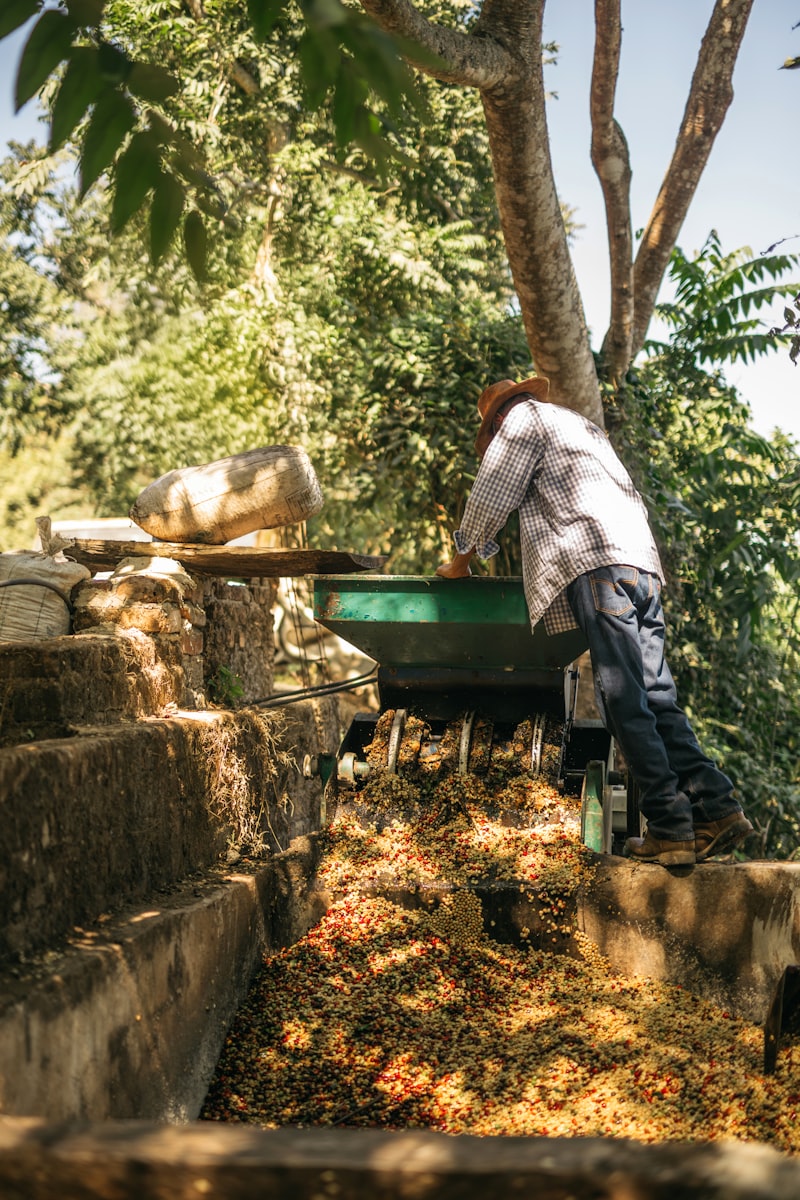
These fruits are well-suited to Loam soil conditions. Each plant listed below tolerates or thrives in the drainage, pH, and texture characteristics typical of loam soil.
Strawberry
Fragaria × ananassa
- Sun
- Full sun (6-8 hours)
- Water
- Regular, 1-1.5 inches/week; drip irrigation preferred
- Spacing
- 12-18 inches
- Days to Harvest
- Array
- pH Range
- 5.5 - 6.8
- Zones
- 3-10
Raspberry
Rubus idaeus
- Sun
- Full sun (6-8 hours)
- Water
- Regular, 1-1.5 inches/week
- Spacing
- 24-36 inches
- Days to Harvest
- Array
- pH Range
- 5.5 - 6.5
- Zones
- 3-9
Apple
Malus domestica
- Sun
- Full sun (6-8 hours)
- Water
- Regular, 1 inch/week; deep watering preferred
- Spacing
- 15-25 feet (standard), 6-10 feet (dwarf)
- Days to Harvest
- Array
- pH Range
- 6.0 - 7.0
- Zones
- 3-8
Pear
Pyrus communis
- Sun
- Full sun (6-8 hours)
- Water
- Regular, 1 inch/week
- Spacing
- 15-20 feet (standard), 8-12 feet (dwarf)
- Days to Harvest
- Array
- pH Range
- 6.0 - 7.0
- Zones
- 4-8
Peach
Prunus persica
- Sun
- Full sun (6-8 hours)
- Water
- Regular, 1-1.5 inches/week
- Spacing
- 15-20 feet (standard), 8-10 feet (dwarf)
- Days to Harvest
- Array
- pH Range
- 6.0 - 7.0
- Zones
- 5-9
Cherry
Prunus avium / Prunus cerasus
- Sun
- Full sun (6-8 hours)
- Water
- Regular, 1 inch/week; reduce at harvest
- Spacing
- 20-30 feet (sweet), 12-18 feet (sour)
- Days to Harvest
- Array
- pH Range
- 6.0 - 7.5
- Zones
- 4-8 (sweet), 3-8 (sour)
Grape
Vitis vinifera / Vitis labrusca
- Sun
- Full sun (7-8 hours)
- Water
- Moderate, 0.5-1 inch/week; drought tolerant once established
- Spacing
- 6-8 feet
- Days to Harvest
- Array
- pH Range
- 5.5 - 7.0
- Zones
- 4-10
Watermelon
Citrullus lanatus
- Sun
- Full sun (8+ hours)
- Water
- Regular, 1-2 inches/week; reduce at ripening
- Spacing
- 60-96 inches
- Days to Harvest
- Array
- pH Range
- 6.0 - 6.8
- Zones
- 3-11
Cantaloupe
Cucumis melo var. cantalupensis
- Sun
- Full sun (8+ hours)
- Water
- Regular, 1-2 inches/week; reduce at ripening
- Spacing
- 36-48 inches
- Days to Harvest
- Array
- pH Range
- 6.0 - 6.8
- Zones
- 4-11
Fig
Ficus carica
- Sun
- Full sun (6-8 hours)
- Water
- Moderate, 1 inch/week; drought tolerant once established
- Spacing
- 15-20 feet
- Days to Harvest
- Array
- pH Range
- 6.0 - 8.0
- Zones
- 7-11
Plum
Prunus domestica
- Sun
- Full sun (6-8 hours)
- Water
- Regular, 1 inch/week
- Spacing
- 15-20 feet (standard), 8-12 feet (dwarf)
- Days to Harvest
- Array
- pH Range
- 6.0 - 7.5
- Zones
- 3-9
Blackberry
Rubus fruticosus
- Sun
- Full sun (6-8 hours)
- Water
- Regular, 1-2 inches/week during fruiting
- Spacing
- 3-5 feet
- Days to Harvest
- Array
- pH Range
- 5.5 - 7.0
- Zones
- 5-9
Lemon
Citrus limon
- Sun
- Full sun (8+ hours)
- Water
- Regular, deep watering weekly; reduce in winter
- Spacing
- 12-15 feet
- Days to Harvest
- Array
- pH Range
- 5.5 - 6.5
- Zones
- 9-11
Orange
Citrus sinensis
- Sun
- Full sun (8+ hours)
- Water
- Regular, deep watering weekly
- Spacing
- 15-20 feet
- Days to Harvest
- Array
- pH Range
- 6.0 - 7.0
- Zones
- 9-11
Why Loam Soil Produces the Best Fruit
Loam is the gold standard for fruit production, and for good reason. The balanced mix of sand, silt, and clay particles creates a soil structure that holds moisture without drowning roots and retains nutrients without locking them up. Nearly every fruit crop performs well in true loam. Apple orchards on loam soil consistently outproduce those on any other soil type, yielding fruit with higher sugar content because the steady moisture supply prevents the stress cycles that make fruit bitter or mealy. Pear trees develop their best flavor profile in loam, and cherry trees — notoriously fussy about drainage — actually survive long-term here. Raspberry canes grow vigorously but don't spread out of control the way they do in lighter soils, making maintenance much easier for the home grower.
Maximizing Fruit Harvests from Loam Gardens
Even perfect loam benefits from strategic management. Test soil pH annually because fruit crops have specific preferences — blueberries need 4.5 to 5.5 while most tree fruits want 6.0 to 7.0. In loam, pH adjustments take effect faster than in clay, so you can fine-tune within a single season using sulfur or lime. Succession planting strawberries every year ensures continuous production since loam's balanced fertility lets runners establish quickly. Train grape vines on a Geneva Double Curtain system in loam gardens to maximize sun exposure without the drought stress that trellising causes in sandy ground. Thin fruit aggressively on apple and pear trees in loam — the nutrient-rich soil supports heavy fruit set, but oversized crops produce small, flavorless fruit. Remove every other fruit when they reach marble size.
Soil Preparation Tips for Fruits in Loam Soil
Preparing loam soil for fruits requires understanding both the soil's characteristics and the plants' needs. With excellent drainage, loam soil provides a good foundation for fruits. For fruits, which typically have deep - often 3-6 feet root systems, work amendments into the soil to a depth of at least 18-24 inches. Prepare your beds 2-3 weeks before planting to allow amendments to integrate. For fruits, this timing is crucial to ensure optimal growing conditions from day one.
Common Problems Growing Fruits in Loam Soil
Growing fruits in loam soil presents some unique challenges that you can overcome with proper management. The primary concerns with loam soil include . Fruit quality may suffer in suboptimal soil conditions. Monitor fruit development closely and adjust watering and fertilization based on plant response rather than strict schedules.
Frequently Asked Questions
Is loam soil good for all fruit types?
Loam supports virtually every fruit crop grown in temperate climates. The only exception is fruits requiring very acidic conditions, like cranberries, which need bog-like peat soil. Even blueberries grow in loam if you amend the planting area with sulfur and peat to lower pH locally.
How do you maintain loam soil for a fruit orchard?
Add two inches of compost annually as a top dressing beneath the mulch ring. Avoid tilling around established trees — it damages feeder roots. Plant cover crops like white clover between rows to fix nitrogen and prevent erosion. Test for calcium and magnesium every two years.
What is the best mulch for fruit trees in loam?
Coarse wood chips applied three to four inches deep in a ring from six inches away from the trunk to the drip line. Avoid fine bark mulch — it compacts and sheds water. Wood chips feed soil fungi that form beneficial mycorrhizal partnerships with fruit tree roots.
What is the best planting depth for fruits in loam soil?
Proper planting depth is critical for fruits in loam soil to ensure healthy establishment. Plant fruits at the same depth they were growing in the nursery container. The root flare (where the trunk widens at the base) should be visible at the soil surface. Dig the planting hole 2-3 times wider than the root ball but no deeper. In loam soil, roughen the sides of the planting hole to prevent glazing, which can restrict root growth. Backfill with the native soil mixed with compost (no more than 25% compost), and water thoroughly to eliminate air pockets. Apply 2-3 inches of mulch around fruits, keeping it several inches away from the trunk or stems.
What should I do if my fruits show signs of nutrient deficiency in loam soil?
Nutrient deficiencies in fruits growing in loam soil often stem from pH imbalances rather than actual nutrient shortages. Foliar feeding with liquid fertilizer provides quick results while you work on correcting underlying pH issues. Spray diluted liquid fertilizer directly on leaves in the early morning or evening to avoid leaf burn. For fruits, maintaining proper soil pH is more important than heavy fertilization. Once pH is in the optimal range (6.0-7.0 for most plants), nutrient availability improves dramatically and deficiency symptoms usually resolve within 2-4 weeks.
Gardening Tips for Loam Soil
- Maintain your soil's quality by adding compost or aged manure once a year.
- Rotate crops annually to prevent nutrient depletion and disease buildup.
- Mulch to suppress weeds and regulate soil temperature during extremes.
- Test pH every 2-3 years to catch any gradual shifts before they affect plant health.