Best Herbs for Loam Soil
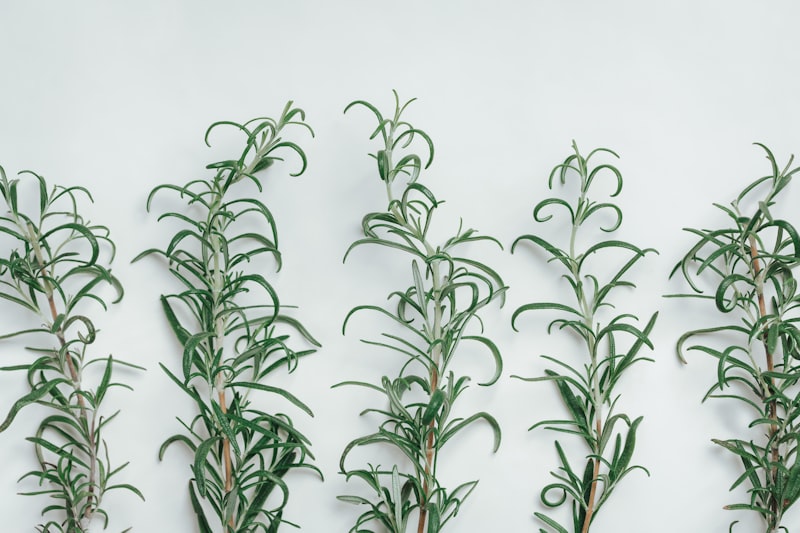
These herbs are well-suited to Loam soil conditions. Each plant listed below tolerates or thrives in the drainage, pH, and texture characteristics typical of loam soil.
Basil
Ocimum basilicum
- Sun
- Full sun (6-8 hours)
- Water
- Regular, 1 inch/week; keep consistently moist
- Spacing
- 12-18 inches
- Days to Harvest
- Array
- pH Range
- 6.0 - 7.0
- Zones
- 10-11 (perennial), 2-11 (annual)
Mint
Mentha spp.
- Sun
- Partial shade to full sun (3-6 hours)
- Water
- Regular, 1-2 inches/week; moisture loving
- Spacing
- 18-24 inches (container recommended)
- Days to Harvest
- Array
- pH Range
- 6.0 - 7.0
- Zones
- 3-8
Oregano
Origanum vulgare
- Sun
- Full sun (6-8 hours)
- Water
- Low to moderate; allow soil to dry between waterings
- Spacing
- 12-15 inches
- Days to Harvest
- Array
- pH Range
- 6.0 - 8.0
- Zones
- 5-10
Cilantro (Coriander)
Coriandrum sativum
- Sun
- Full sun to partial shade (4-6 hours)
- Water
- Regular, 1 inch/week
- Spacing
- 6-8 inches
- Days to Harvest
- Array
- pH Range
- 6.0 - 7.0
- Zones
- 2-11
Parsley
Petroselinum crispum
- Sun
- Full sun to partial shade (4-8 hours)
- Water
- Regular, 1 inch/week
- Spacing
- 8-10 inches
- Days to Harvest
- Array
- pH Range
- 6.0 - 7.0
- Zones
- 5-9 (biennial)
Sage
Salvia officinalis
- Sun
- Full sun (6-8 hours)
- Water
- Low to moderate; drought tolerant once established
- Spacing
- 18-24 inches
- Days to Harvest
- Array
- pH Range
- 6.0 - 7.0
- Zones
- 4-8
Dill
Anethum graveolens
- Sun
- Full sun (6-8 hours)
- Water
- Moderate, 1 inch/week
- Spacing
- 12-15 inches
- Days to Harvest
- Array
- pH Range
- 5.5 - 6.5
- Zones
- 2-11
Chives
Allium schoenoprasum
- Sun
- Full sun to partial shade (4-8 hours)
- Water
- Regular, 1 inch/week
- Spacing
- 8-12 inches
- Days to Harvest
- Array
- pH Range
- 6.0 - 7.0
- Zones
- 3-9
Tarragon (French)
Artemisia dracunculus var. sativa
- Sun
- Full sun (6-8 hours)
- Water
- Low to moderate; well-drained essential
- Spacing
- 18-24 inches
- Days to Harvest
- Array
- pH Range
- 6.0 - 7.5
- Zones
- 4-8
Fennel
Foeniculum vulgare
- Sun
- Full sun (6-8 hours)
- Water
- Regular, 1 inch/week
- Spacing
- 12-18 inches
- Days to Harvest
- Array
- pH Range
- 5.5 - 7.0
- Zones
- 4-9
Lemongrass
Cymbopogon citratus
- Sun
- Full sun (6-8 hours)
- Water
- Regular, 1-2 inches/week; moisture loving
- Spacing
- 24-36 inches
- Days to Harvest
- Array
- pH Range
- 5.0 - 7.0
- Zones
- 9-11 (perennial), 3-8 (annual)
Chamomile
Matricaria chamomilla
- Sun
- Full sun (6-8 hours)
- Water
- Low to moderate; drought tolerant
- Spacing
- 8-12 inches
- Days to Harvest
- Array
- pH Range
- 5.6 - 7.5
- Zones
- 3-9
Growing Herbs in Loam Soil
Loam is the gold standard for herb gardening. Its balanced mix of sand, silt, and clay delivers the drainage, moisture retention, and nutrient availability that most herbs demand. You can grow virtually any culinary herb in good loam without significant amendments. Basil reaches its full aromatic potential here, producing thick, glossy leaves packed with volatile oils. Parsley forms dense, bushy clumps. Cilantro bolts more slowly thanks to the consistent moisture loam provides. The only herbs that might actually prefer poorer soil are lavender and rosemary, which can grow leggy and weak-flavored in overly rich loam. For those two, mix in extra grit around the planting hole. Succession sow cilantro and dill every three weeks from mid-spring through early summer for continuous harvests rather than one overwhelming flush.
Building a Year-Round Herb Rotation in Loam
Loam soil's versatility lets you keep herbs producing across all four seasons with some planning. Start cool-season herbs like cilantro, parsley, and chervil in early spring while nights still dip near freezing. Transition to warm-season herbs in May: basil, summer savory, and lemon verbena. As autumn arrives, plant a second round of cilantro and dill, which both prefer cooler temperatures for leaf production. Hardy perennials like thyme, sage, chives, and oregano survive winter in the ground with a thick straw mulch. Overwinter tender perennials like rosemary and lemon grass by potting them up and bringing them indoors. This rotation strategy ensures you have fresh herbs available twelve months a year without gaps.
Soil Preparation Tips for Herbs in Loam Soil
Preparing loam soil for herbs requires understanding both the soil's characteristics and the plants' needs. With excellent drainage, loam soil provides a good foundation for herbs. Since herbs generally have shallow to moderate root systems, focus your soil preparation on the top 12 inches. Prepare your beds 2-3 weeks before planting to allow amendments to integrate. For herbs, this timing is crucial to ensure optimal growing conditions from day one.
Common Problems Growing Herbs in Loam Soil
Growing herbs in loam soil presents some unique challenges that you can overcome with proper management. The primary concerns with loam soil include . Many herbs lose flavor intensity when stressed. While some stress is beneficial for essential oil production, severe soil issues will reduce both growth and aromatic qualities.
Frequently Asked Questions
Is loam soil good for all types of herbs?
Nearly all herbs thrive in loam thanks to its balanced drainage and nutrient profile. The only exceptions are herbs like lavender and rosemary that actually prefer leaner, grittier soil. For those, simply add extra perlite or gravel around the planting hole to increase drainage locally.
How should I prepare loam soil for an herb garden?
Loam needs minimal preparation. Work in a two-inch layer of compost annually to maintain organic matter levels and replenish nutrients. Test pH yearly, aiming for 6.0 to 7.0 for most culinary herbs. Avoid over-tilling, which destroys the natural soil structure that makes loam so effective.
Can I grow herbs from seed directly in loam soil?
Absolutely. Loam provides ideal germination conditions with consistent moisture and good soil-to-seed contact. Sow basil, cilantro, dill, and parsley directly after the last frost date. Press seeds gently into the surface rather than burying them deeply, since most herb seeds need light to germinate.
When is the best time to plant herbs in loam soil?
The ideal planting time for herbs in loam soil depends on both your climate zone and the soil's properties. For cool-season herbs, plant in early spring or late summer/fall. In loam soil, fall planting can be particularly successful as the soil retains warmth while air temperatures cool. Always amend the soil 2-3 weeks before planting to allow time for routine compost additions to integrate properly.
What should I do if my herbs show signs of nutrient deficiency in loam soil?
Nutrient deficiencies in herbs growing in loam soil often stem from pH imbalances rather than actual nutrient shortages. Foliar feeding with liquid fertilizer provides quick results while you work on correcting underlying pH issues. Spray diluted liquid fertilizer directly on leaves in the early morning or evening to avoid leaf burn. For herbs, maintaining proper soil pH is more important than heavy fertilization. Once pH is in the optimal range (6.0-7.0 for most plants), nutrient availability improves dramatically and deficiency symptoms usually resolve within 2-4 weeks.
Gardening Tips for Loam Soil
- Maintain your soil's quality by adding compost or aged manure once a year.
- Rotate crops annually to prevent nutrient depletion and disease buildup.
- Mulch to suppress weeds and regulate soil temperature during extremes.
- Test pH every 2-3 years to catch any gradual shifts before they affect plant health.