Best Vegetables for Loam Soil
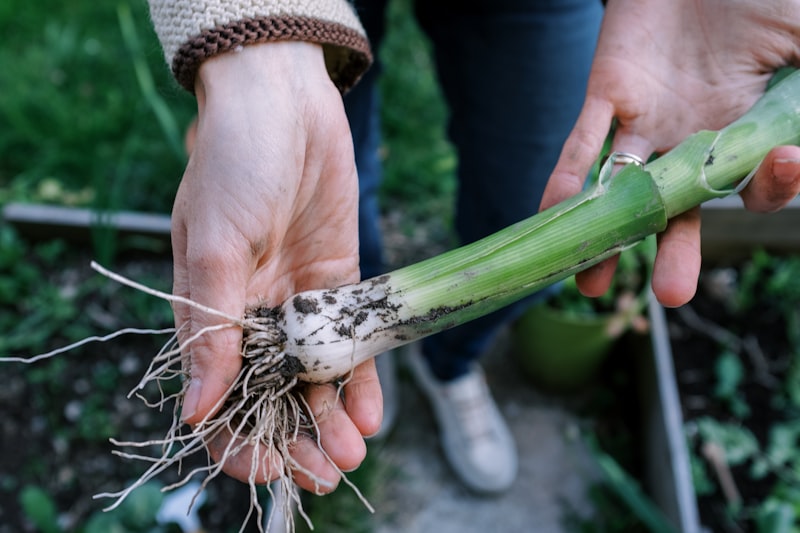
These vegetables are well-suited to Loam soil conditions. Each plant listed below tolerates or thrives in the drainage, pH, and texture characteristics typical of loam soil.
Tomato
Solanum lycopersicum
- Sun
- Full sun (6-8 hours)
- Water
- Regular, 1-2 inches/week
- Spacing
- 24-36 inches
- Days to Harvest
- Array
- pH Range
- 6.0 - 6.8
- Zones
- 3-11
Pepper
Capsicum annuum
- Sun
- Full sun (6-8 hours)
- Water
- Regular, 1-2 inches/week
- Spacing
- 18-24 inches
- Days to Harvest
- Array
- pH Range
- 6.0 - 6.8
- Zones
- 3-11
Carrot
Daucus carota subsp. sativus
- Sun
- Full sun to partial shade (4-8 hours)
- Water
- Regular, 1 inch/week
- Spacing
- 2-3 inches
- Days to Harvest
- Array
- pH Range
- 6.0 - 6.8
- Zones
- 3-10
Potato
Solanum tuberosum
- Sun
- Full sun (6-8 hours)
- Water
- Regular, 1-2 inches/week
- Spacing
- 12-15 inches
- Days to Harvest
- Array
- pH Range
- 5.0 - 6.5
- Zones
- 3-10
Lettuce
Lactuca sativa
- Sun
- Full sun to partial shade (4-6 hours)
- Water
- Regular, 1 inch/week; keep consistently moist
- Spacing
- 6-12 inches
- Days to Harvest
- Array
- pH Range
- 6.0 - 7.0
- Zones
- 2-11
Beans (Green/Snap)
Phaseolus vulgaris
- Sun
- Full sun (6-8 hours)
- Water
- Regular, 1 inch/week
- Spacing
- 4-6 inches (bush), 6-8 inches (pole)
- Days to Harvest
- Array
- pH Range
- 6.0 - 7.0
- Zones
- 3-10
Peas
Pisum sativum
- Sun
- Full sun to partial shade (4-8 hours)
- Water
- Regular, 1 inch/week
- Spacing
- 2-4 inches
- Days to Harvest
- Array
- pH Range
- 6.0 - 7.5
- Zones
- 2-11
Cucumber
Cucumis sativus
- Sun
- Full sun (6-8 hours)
- Water
- Regular, 1-2 inches/week; consistent moisture critical
- Spacing
- 36-60 inches
- Days to Harvest
- Array
- pH Range
- 6.0 - 7.0
- Zones
- 4-11
Squash (Summer/Winter)
Cucurbita spp.
- Sun
- Full sun (6-8 hours)
- Water
- Regular, 1-2 inches/week
- Spacing
- 36-60 inches
- Days to Harvest
- Array
- pH Range
- 6.0 - 7.0
- Zones
- 3-11
Broccoli
Brassica oleracea var. italica
- Sun
- Full sun (6-8 hours)
- Water
- Regular, 1-1.5 inches/week
- Spacing
- 18-24 inches
- Days to Harvest
- Array
- pH Range
- 6.0 - 7.0
- Zones
- 2-11
Cabbage
Brassica oleracea var. capitata
- Sun
- Full sun (6-8 hours)
- Water
- Regular, 1-1.5 inches/week
- Spacing
- 18-24 inches
- Days to Harvest
- Array
- pH Range
- 6.0 - 7.5
- Zones
- 1-10
Corn (Sweet)
Zea mays
- Sun
- Full sun (8+ hours)
- Water
- Regular, 1.5-2 inches/week; critical at tasseling
- Spacing
- 12-15 inches in blocks
- Days to Harvest
- Array
- pH Range
- 6.0 - 6.8
- Zones
- 4-11
Onion
Allium cepa
- Sun
- Full sun (6-8 hours)
- Water
- Regular, 1 inch/week; reduce near harvest
- Spacing
- 4-6 inches
- Days to Harvest
- Array
- pH Range
- 6.0 - 7.0
- Zones
- 3-9
Garlic
Allium sativum
- Sun
- Full sun (6-8 hours)
- Water
- Moderate, 0.5-1 inch/week; stop watering 2 weeks before harvest
- Spacing
- 6 inches
- Days to Harvest
- Array
- pH Range
- 6.0 - 7.0
- Zones
- 3-8
Radish
Raphanus sativus
- Sun
- Full sun to partial shade (4-6 hours)
- Water
- Regular, 1 inch/week; keep evenly moist
- Spacing
- 1-2 inches
- Days to Harvest
- Array
- pH Range
- 6.0 - 7.0
- Zones
- 2-10
Spinach
Spinacia oleracea
- Sun
- Full sun to partial shade (4-6 hours)
- Water
- Regular, 1-1.5 inches/week
- Spacing
- 4-6 inches
- Days to Harvest
- Array
- pH Range
- 6.5 - 7.5
- Zones
- 2-9
Kale
Brassica oleracea var. sabellica
- Sun
- Full sun to partial shade (4-8 hours)
- Water
- Regular, 1-1.5 inches/week
- Spacing
- 18-24 inches
- Days to Harvest
- Array
- pH Range
- 6.0 - 7.5
- Zones
- 2-11
Beet
Beta vulgaris
- Sun
- Full sun to partial shade (4-8 hours)
- Water
- Regular, 1 inch/week
- Spacing
- 3-4 inches
- Days to Harvest
- Array
- pH Range
- 6.0 - 7.5
- Zones
- 2-10
Eggplant
Solanum melongena
- Sun
- Full sun (8+ hours)
- Water
- Regular, 1-2 inches/week
- Spacing
- 24-30 inches
- Days to Harvest
- Array
- pH Range
- 5.5 - 6.8
- Zones
- 5-11
Celery
Apium graveolens
- Sun
- Full sun to partial shade (4-6 hours)
- Water
- Heavy, 2+ inches/week; never let soil dry out
- Spacing
- 8-10 inches
- Days to Harvest
- Array
- pH Range
- 6.0 - 7.0
- Zones
- 2-10
Asparagus
Asparagus officinalis
- Sun
- Full sun (6-8 hours)
- Water
- Regular, 1-2 inches/week
- Spacing
- 18 inches
- Days to Harvest
- Array
- pH Range
- 6.5 - 7.5
- Zones
- 3-8
Cauliflower
Brassica oleracea var. botrytis
- Sun
- Full sun (6+ hours)
- Water
- Regular, 1-2 inches/week; consistent moisture critical
- Spacing
- 18-24 inches
- Days to Harvest
- Array
- pH Range
- 6.0 - 7.0
- Zones
- 2-11
Zucchini
Cucurbita pepo
- Sun
- Full sun (6-8 hours)
- Water
- Regular, 1-2 inches/week
- Spacing
- 36-48 inches
- Days to Harvest
- Array
- pH Range
- 6.0 - 7.5
- Zones
- 3-11
Pumpkin
Cucurbita maxima / Cucurbita pepo
- Sun
- Full sun (6-8 hours)
- Water
- Regular, 1-2 inches/week; reduce near harvest
- Spacing
- 60-96 inches
- Days to Harvest
- Array
- pH Range
- 6.0 - 6.8
- Zones
- 3-9
Sweet Potato
Ipomoea batatas
- Sun
- Full sun (6-8 hours)
- Water
- Regular, 1 inch/week; reduce last 3 weeks
- Spacing
- 12-18 inches
- Days to Harvest
- Array
- pH Range
- 5.5 - 6.5
- Zones
- 8-11 (perennial), 3-7 (annual)
Why Loam Is the Ideal Vegetable Garden Soil
Loam is what every vegetable gardener dreams of: balanced drainage that prevents waterlogging without drying out too fast, strong nutrient retention that feeds plants steadily, and a workable texture that makes planting and harvesting a pleasure. Nearly every common vegetable thrives in loam without special accommodation. Tomatoes produce heavy yields, root crops grow perfectly shaped, and leafy greens stay tender and productive through the season. The danger with loam is complacency. Without annual maintenance, even perfect loam degrades under intensive vegetable production. Crop rotation becomes especially important because the excellent growing conditions also favor pest and disease buildup.
Succession Planting in Loam
Loam's balanced moisture and nutrient profile makes it ideal for succession planting, where you stagger plantings every two to three weeks to extend your harvest window. Start peas and lettuce in early spring, follow with tomatoes and peppers as soil warms, then plant fall brassicas and root crops as summer crops finish. In mild climates, loam supports three or even four distinct planting rounds per year. Keep a log of what you plant where and rotate families annually. After each crop finishes, turn in a light layer of compost before the next planting. This steady organic matter input replaces what the previous crop consumed and keeps the soil biology active.
Soil Preparation Tips for Vegetables in Loam Soil
Preparing loam soil for vegetables requires understanding both the soil's characteristics and the plants' needs. With excellent drainage, loam soil provides a good foundation for vegetables. Since vegetables generally have varies - shallow (lettuce) to deep (tomatoes) root systems, focus your soil preparation on the top 12 inches. Prepare your beds 2-3 weeks before planting to allow amendments to integrate. For vegetables, this timing is crucial to ensure optimal growing conditions from day one.
Common Problems Growing Vegetables in Loam Soil
Growing vegetables in loam soil presents some unique challenges that you can overcome with proper management. The primary concerns with loam soil include . For vegetables, disease pressure often increases in loam soil. Practice crop rotation and maintain good air circulation to minimize fungal issues.
Frequently Asked Questions
Can I grow any vegetable in loam soil?
Virtually yes. Loam supports every common vegetable from root crops to fruiting plants to leafy greens. The only limitations are climate-related (hardiness zone, frost dates, heat) rather than soil-related. This versatility is what makes loam the gold standard for vegetable gardening.
How do I maintain loam for vegetable gardening?
Add 2 to 3 inches of compost annually, rotate crop families each year, and test soil pH every 2 to 3 years. Maintain organic matter above 4 percent by using cover crops in the off-season. These simple practices keep loam productive indefinitely.
Do I still need to fertilize vegetables in loam?
Yes, but less aggressively than in sandy or clay soils. Annual compost covers most needs. Heavy feeders like tomatoes, corn, and squash benefit from a mid-season side-dress of balanced organic fertilizer. A soil test reveals any specific deficiencies to address.
When is the best time to plant vegetables in loam soil?
The ideal planting time for vegetables in loam soil depends on both your climate zone and the soil's properties. For cool-season vegetables, plant in early spring or late summer/fall. In loam soil, fall planting can be particularly successful as the soil retains warmth while air temperatures cool. Always amend the soil 2-3 weeks before planting to allow time for routine compost additions to integrate properly.
What should I do if my vegetables show signs of nutrient deficiency in loam soil?
Nutrient deficiencies in vegetables growing in loam soil often stem from pH imbalances rather than actual nutrient shortages. Foliar feeding with liquid fertilizer provides quick results while you work on correcting underlying pH issues. Spray diluted liquid fertilizer directly on leaves in the early morning or evening to avoid leaf burn. For vegetables, maintaining proper soil pH is more important than heavy fertilization. Once pH is in the optimal range (6.0-7.0 for most plants), nutrient availability improves dramatically and deficiency symptoms usually resolve within 2-4 weeks.
Gardening Tips for Loam Soil
- Maintain your soil's quality by adding compost or aged manure once a year.
- Rotate crops annually to prevent nutrient depletion and disease buildup.
- Mulch to suppress weeds and regulate soil temperature during extremes.
- Test pH every 2-3 years to catch any gradual shifts before they affect plant health.