Best Trees for Loam Soil
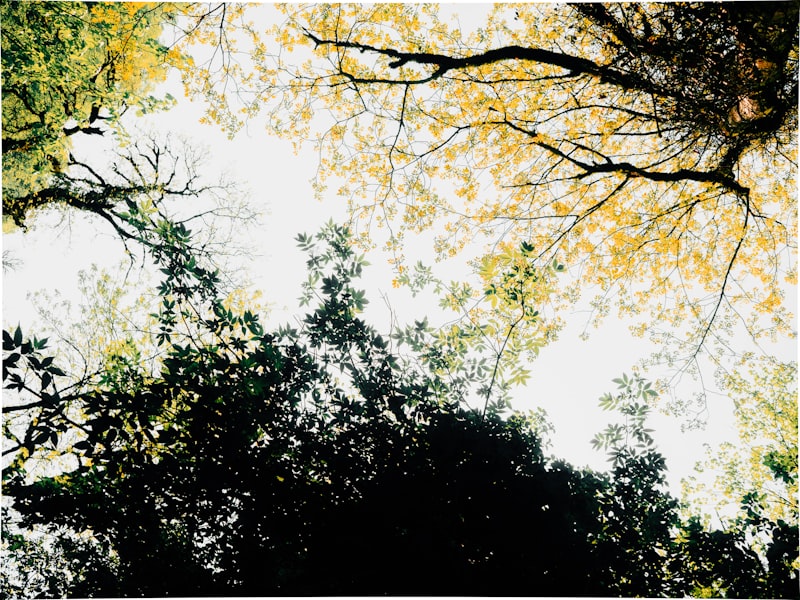
These trees are well-suited to Loam soil conditions. Each plant listed below tolerates or thrives in the drainage, pH, and texture characteristics typical of loam soil.
Oak
Quercus spp.
- Sun
- Full sun (6-8 hours)
- Water
- Moderate; drought tolerant once established
- Spacing
- 30-50 feet
- Days to Harvest
- Array
- pH Range
- 5.5 - 7.0
- Zones
- 3-10
Maple
Acer spp.
- Sun
- Full sun to partial shade (4-8 hours)
- Water
- Regular; consistent moisture preferred
- Spacing
- 25-45 feet
- Days to Harvest
- Array
- pH Range
- 5.5 - 7.5
- Zones
- 3-9
Pine
Pinus spp.
- Sun
- Full sun (6-8 hours)
- Water
- Low to moderate; drought tolerant
- Spacing
- 15-30 feet
- Days to Harvest
- Array
- pH Range
- 5.0 - 6.5
- Zones
- 2-10
Cedar
Cedrus / Thuja spp.
- Sun
- Full sun to partial shade (4-8 hours)
- Water
- Moderate; tolerates drought once established
- Spacing
- 15-30 feet
- Days to Harvest
- Array
- pH Range
- 5.5 - 7.0
- Zones
- 3-9
Dogwood
Cornus florida
- Sun
- Partial shade to full sun (4-6 hours)
- Water
- Regular; consistent moisture preferred
- Spacing
- 15-25 feet
- Days to Harvest
- Array
- pH Range
- 5.5 - 6.5
- Zones
- 5-9
Magnolia
Magnolia grandiflora
- Sun
- Full sun to partial shade (4-8 hours)
- Water
- Regular; consistent moisture preferred
- Spacing
- 20-40 feet
- Days to Harvest
- Array
- pH Range
- 5.0 - 6.5
- Zones
- 5-9
Birch
Betula spp.
- Sun
- Full sun to partial shade (4-8 hours)
- Water
- Regular; moisture loving
- Spacing
- 20-30 feet
- Days to Harvest
- Array
- pH Range
- 5.0 - 6.5
- Zones
- 2-7
Willow
Salix spp.
- Sun
- Full sun (6-8 hours)
- Water
- Heavy; thrives near water sources
- Spacing
- 30-50 feet
- Days to Harvest
- Array
- pH Range
- 5.5 - 7.5
- Zones
- 4-9
Elm
Ulmus spp.
- Sun
- Full sun (6-8 hours)
- Water
- Moderate; tolerates some drought
- Spacing
- 40-60 feet
- Days to Harvest
- Array
- pH Range
- 5.5 - 8.0
- Zones
- 3-9
Cherry (Ornamental)
Prunus serrulata
- Sun
- Full sun (6-8 hours)
- Water
- Regular, 1-2 inches/week
- Spacing
- 20-30 feet
- Days to Harvest
- Array
- pH Range
- 6.0 - 7.5
- Zones
- 5-8
Apple Tree
Malus domestica
- Sun
- Full sun (6-8 hours)
- Water
- Regular, 1-2 inches/week
- Spacing
- 15-25 feet (standard), 6-10 feet (dwarf)
- Days to Harvest
- Array
- pH Range
- 6.0 - 7.0
- Zones
- 3-8
Pear Tree
Pyrus communis
- Sun
- Full sun (6-8 hours)
- Water
- Regular, 1 inch/week
- Spacing
- 15-20 feet (standard), 8-12 feet (dwarf)
- Days to Harvest
- Array
- pH Range
- 6.0 - 7.0
- Zones
- 4-8
Pecan
Carya illinoinensis
- Sun
- Full sun (8+ hours)
- Water
- Regular; deep watering preferred
- Spacing
- 40-60 feet
- Days to Harvest
- Array
- pH Range
- 6.0 - 7.0
- Zones
- 6-9
Walnut
Juglans regia / Juglans nigra
- Sun
- Full sun (6-8 hours)
- Water
- Regular; deep roots access groundwater
- Spacing
- 40-60 feet
- Days to Harvest
- Array
- pH Range
- 6.0 - 7.5
- Zones
- 4-9
Cypress (Bald)
Taxodium distichum
- Sun
- Full sun (6-8 hours)
- Water
- Heavy; tolerates standing water and flooding
- Spacing
- 30-50 feet
- Days to Harvest
- Array
- pH Range
- 5.5 - 7.0
- Zones
- 5-10
Growing Trees in Loam Soil
Loam is the gold standard for tree cultivation, combining sand's drainage with clay's nutrient retention and silt's moisture-wicking ability. Nearly any tree species performs well in true loam, so the selection process becomes about matching your climate zone and aesthetic goals rather than soil limitations. Sugar maples develop their most vivid fall color in loamy ground with slightly acidic pH. Tulip poplars reach towering heights within twenty years when roots have easy access to deep loam profiles. Flowering dogwoods bloom most prolifically in loam with dappled light. White pine grows a foot or more annually in loamy conditions, forming dense windbreaks within five years. This soil forgives most planting mistakes, but it also masks problems that surface years later if drainage or compaction issues go unaddressed.
Staking and Root Establishment in Loam
Loam's balanced texture means trees anchor faster than in sand or clay, so prolonged staking actually hinders trunk strength development. Stake only if the tree is top-heavy or the site is wind-exposed, and remove stakes after one growing season. In loam, roots typically explore 12 inches beyond the original root ball within four months of spring planting. Avoid fertilizing at planting time — loam already contains sufficient nutrients, and added nitrogen pushes leafy top growth at the expense of root development. Water new trees weekly for the first summer, letting the top 2 inches of soil dry between sessions. This cycle trains roots to grow downward seeking moisture rather than clustering at the surface. By the second year, most trees planted in loam need supplemental water only during extended drought.
Soil Preparation Tips for Trees in Loam Soil
Preparing loam soil for trees requires understanding both the soil's characteristics and the plants' needs. With excellent drainage, loam soil provides a good foundation for trees. For trees, which typically have very deep - 6+ feet root systems, work amendments into the soil to a depth of at least 18-24 inches. Prepare your beds 2-3 weeks before planting to allow amendments to integrate. For trees, this timing is crucial to ensure optimal growing conditions from day one.
Common Problems Growing Trees in Loam Soil
Growing trees in loam soil presents some unique challenges that you can overcome with proper management. The primary concerns with loam soil include . Long-term establishment can be compromised by poor soil conditions. Pay extra attention to soil preparation at planting time - correcting issues later is much more difficult with woody plants.
Frequently Asked Questions
Do trees still need mulch in loam soil?
Mulching remains beneficial even in ideal loam. A 3-inch layer of organic mulch suppresses weeds, moderates soil temperature, and feeds soil biology as it breaks down. Loam with consistent mulching develops increasingly rich topsoil. Keep mulch away from the trunk to avoid moisture-related bark disease.
What is the best time to plant trees in loam?
Fall planting from late September through November gives trees a full root-growth season before summer stress. Loam stays workable later in fall than clay does. Spring planting works too, but newly planted trees face immediate summer heat with minimal root systems.
Can I grow any tree species in loam soil?
Most species perform well in loam, but pH still matters. Blueberry and pin oak need acidic loam below 5.5, while redbud and hackberry prefer neutral to slightly alkaline conditions. Test your pH before selecting species that have strong acidity or alkalinity requirements.
What is the best planting depth for trees in loam soil?
Proper planting depth is critical for trees in loam soil to ensure healthy establishment. Plant trees at the same depth they were growing in the nursery container. The root flare (where the trunk widens at the base) should be visible at the soil surface. Dig the planting hole 2-3 times wider than the root ball but no deeper. In loam soil, roughen the sides of the planting hole to prevent glazing, which can restrict root growth. Backfill with the native soil mixed with compost (no more than 25% compost), and water thoroughly to eliminate air pockets. Apply 2-3 inches of mulch around trees, keeping it several inches away from the trunk or stems.
What should I do if my trees show signs of nutrient deficiency in loam soil?
Nutrient deficiencies in trees growing in loam soil often stem from pH imbalances rather than actual nutrient shortages. Foliar feeding with liquid fertilizer provides quick results while you work on correcting underlying pH issues. Spray diluted liquid fertilizer directly on leaves in the early morning or evening to avoid leaf burn. For trees, maintaining proper soil pH is more important than heavy fertilization. Once pH is in the optimal range (6.0-7.0 for most plants), nutrient availability improves dramatically and deficiency symptoms usually resolve within 2-4 weeks.
Gardening Tips for Loam Soil
- Maintain your soil's quality by adding compost or aged manure once a year.
- Rotate crops annually to prevent nutrient depletion and disease buildup.
- Mulch to suppress weeds and regulate soil temperature during extremes.
- Test pH every 2-3 years to catch any gradual shifts before they affect plant health.