What Type of Soil Is in MARION, MA (02738)?
Maps show what is typical for MARION, MA. A home test kit tells you the pH and nutrient levels of your yard.As an Amazon Associate, we earn from qualifying purchases.
Get a soil test kit →Soil Profile
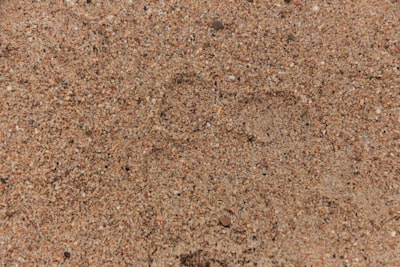
| Soil Type | Sandy |
|---|---|
| Soil Series | Poquonock (sand surface) |
| Map Unit | Poquonock sand, 3 to 8 percent slopes |
| pH Range | 3.5 - 5.5 (Strongly Acidic) |
| Drainage | Well Drained |
| Organic Matter | 6.9% (Very High) |
| Water Holding Capacity | 0.04 in/in (Very Low) |
| USDA Zone | Zone 7a (min 0°F) |
| Hydrologic Group | A |
Soil mapped at the center point of ZIP 02738 in the USDA NRCS soil survey (SSURGO, map unit 309415, retrieved 2026-11-12). Soils change across a ZIP code: check your own lot on the USDA Web Soil Survey.
What This Means for Your Garden
At the center of ZIP 02738, the USDA soil survey maps Poquonock sand, which falls in the Sandy group. Sandy soils drain quickly and warm up fast in the spring, giving you an early start to the growing season. The tradeoff is that water and nutrients wash through easily, so you may need to water and fertilize more often. Adding compost builds up organic matter and helps the soil hold moisture.
The pH in your area ranges from 3.5 - 5.5, which is classified as Strongly Acidic. Acidic soil works well for blueberries, potatoes, and azaleas. If you need to raise the pH for other crops, agricultural lime is the standard amendment.
Your USDA hardiness zone is 7a, meaning winter lows can reach around 0 degrees Fahrenheit. This determines which perennials, trees, and shrubs will survive winter in your area. Check the plant recommendations below for varieties suited to both your soil and climate.
Best Plants for Your Soil & Zone
These plants thrive in Sandy soil and USDA zone 7a.
Vegetables
Fruits
Flowers
Herbs
Trees
Shrubs
How to Improve Your Soil
Here are the top amendments recommended for Sandy soil:
- Compost — Dramatically improves water and nutrient retention
- Peat Moss — Increases water-holding capacity significantly
- Vermiculite — Absorbs and slowly releases water and nutrients
- Aged Manure — Adds organic matter and slow-release nutrients
Test before you amend
Our data is drawn from USDA soil surveys, so it describes the dominant soil across an area — useful for planning, not precise enough for dosing lime or fertiliser. Before you buy amendments for MARION, MA, run a test on the bed you actually garden: pH and N-P-K vary from one end of a yard to the other.
Get a soil test kit for MARION, MA →As an Amazon Associate, we earn from qualifying purchases.
Nearby Areas
Frequently Asked Questions
What type of soil is in MARION, MA (02738)?
The USDA soil survey maps Poquonock sand (Sandy group) at the center of 02738; your lot may differ. It is well drained with a pH range of 3.5 - 5.5.
What USDA hardiness zone is 02738?
MARION, MA (02738) is in USDA hardiness zone 7a, with minimum winter temperatures around 0 degrees Fahrenheit.
What grows well in Sandy soil?
Sandy soil works well for many common garden plants. Check the plant recommendations section above for vegetables, flowers, herbs, and trees that thrive in this soil type and zone 7a.
How do I improve Sandy soil for gardening?
The best approach is to add organic matter such as compost, aged manure, or leaf mold. See our full amendment guide for Sandy soil for step-by-step instructions.
Where does this soil data come from?
From the USDA NRCS Soil Survey Geographic Database (SSURGO), queried through Soil Data Access at the center point of 02738. The same survey is browsable for your exact lot on Web Soil Survey.